


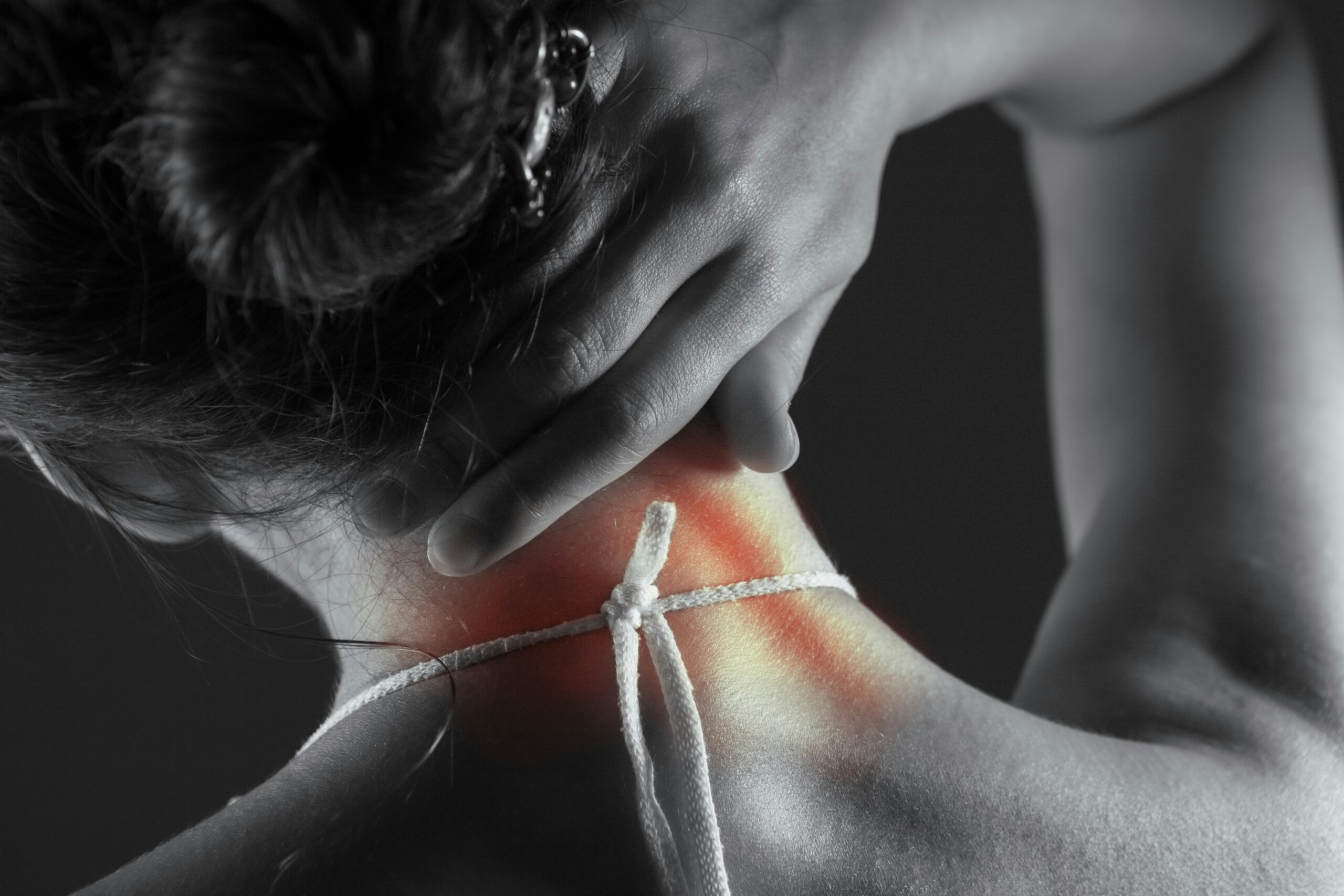
Pain is a common part of life that affects people of all ages. Whether it is mild back discomfort after a long workday or ongoing joint pain, physical discomfort can impact productivity, sleep, mood, and overall well-being. While medications can be helpful in some situations, many people are also exploring natural ways to manage pain as part of a healthy lifestyle.
Natural pain management focuses on supporting the body through healthy habits, movement, stress reduction, and self-care techniques. These methods are not meant to replace professional medical treatment, but they can become valuable tools for improving daily comfort.
In this guide, we will explore 10 natural pain management techniques that may help improve everyday life.
What Is Pain Management?
Pain management is the process of reducing or controlling physical discomfort through different methods. Depending on the cause, pain can be temporary or long-lasting.
There are two primary types of pain:
Acute Pain
Acute pain appears suddenly and usually lasts for a short period. It often occurs due to injuries, surgeries, or temporary illnesses.
Chronic Pain
Chronic pain lasts for several months or even years. Conditions such as arthritis, nerve problems, and long-term back pain can contribute to chronic discomfort.
The goal of pain management is not always to eliminate pain. Instead, it focuses on improving the quality of life and helping people perform daily activities more comfortably.
Why Are Natural Pain Relief Methods Becoming Popular?
Many people are becoming interested in natural approaches because they support overall wellness.
Some reasons include:
- They can easily fit into daily routines.
- They encourage healthier habits.
- They may reduce stress levels.
- They often support long-term wellness goals.
- They can be combined with professional treatment plans.
Consistency is usually more important than quick results when it comes to natural pain management.
1. Stay Physically Active
Exercise is one of the most effective ways to support pain management.
Many people avoid movement when they feel discomfort, but too much inactivity can make muscles weaker and joints stiffer.
Low-impact activities can help improve flexibility and circulation.
Examples include:
- Walking
- Swimming
- Cycling
- Stretching exercises
Start slowly and gradually increase activity levels over time.
2. Practice Daily Stretching
Stretching helps improve flexibility and supports healthy movement patterns.
People who spend long hours sitting at desks often develop tight muscles in their neck, shoulders, and lower back.
Benefits of stretching include:
- Improved mobility
- Better posture
- Reduced muscle tension
- Increased blood flow
Even 10 to 15 minutes of gentle stretching every day can make a difference.
3. Use Heat Therapy
Heat therapy is commonly used to relax muscles and improve circulation.
Popular options include:
- Warm baths
- Heating pads
- Warm towels
Heat may be especially helpful for muscle stiffness and tension.
Avoid placing excessive heat directly on the skin for long periods.
4. Try Cold Therapy
Cold therapy may help reduce swelling and temporary discomfort after physical activity.
Common methods include:
- Ice packs
- Cold compresses
Always wrap ice in a cloth before applying it to the skin.
Cold therapy sessions are usually kept short to avoid irritation.
5. Improve Sleep Quality
Poor sleep and pain often create a difficult cycle.
Pain can interrupt sleep, while poor sleep can increase sensitivity to discomfort.
Healthy sleep habits include:
- Going to bed at the same time each night
- Limiting screen time before bed
- Keeping the bedroom quiet and comfortable
- Avoiding heavy meals late at night
Adults generally benefit from getting adequate sleep consistently.
6. Manage Stress Levels
Stress can increase muscle tension and make existing discomfort feel worse.
Managing stress may help the body relax and improve emotional well-being.
Simple stress-management techniques include:
- Deep breathing exercises
- Meditation
- Journaling
- Listening to calming music
- Spending time outdoors
Even a few minutes of relaxation each day can be beneficial.
7. Follow An Anti-Inflammatory Diet
Nutrition plays an important role in overall health.
Certain foods support a balanced diet that may benefit the body.
Healthy foods include:
- Fruits
- Vegetables
- Whole grains
- Nuts
- Seeds
- Fatty fish
Limiting highly processed foods and excessive sugar may also support long-term wellness goals.
8. Maintain Good Posture
Poor posture can place unnecessary pressure on muscles and joints.
Simple improvements include:
- Keeping shoulders relaxed
- Sitting with back support
- Keeping feet flat on the floor
- Adjusting computer screens to eye level
Small posture corrections throughout the day can reduce unnecessary strain.
9. Stay Hydrated
Water supports many important body functions.
Dehydration may contribute to muscle cramps and fatigue.
Helpful hydration tips include:
- Carry a reusable water bottle
- Drink water throughout the day
- Increase water intake during hot weather
Proper hydration supports overall physical function.
10. Consider Massage Therapy
Massage therapy is commonly used to promote relaxation and ease muscle tightness.
Potential benefits include:
- Reduced tension
- Improved circulation
- Enhanced relaxation
Always seek qualified professionals when considering massage therapy.
Building A Daily Pain Management Routine
Creating a routine makes healthy habits easier to maintain.
A simple example could include:
Morning:
- Gentle stretching
- Healthy breakfast
Afternoon:
- Short walk
- Proper posture while working
Evening:
- Relaxation exercises
- Reduced screen time
Small actions performed consistently often lead to better long-term results.
When Should You Seek Medical Advice?
It is important to contact a healthcare professional if:
- Pain becomes severe.
- Pain lasts for several weeks.
- Swelling increases.
- Numbness develops.
- Daily activities become difficult.
A professional evaluation can help identify the underlying cause.
Final Thoughts
Natural pain management is not about finding one perfect solution. It is about combining multiple healthy habits that support the body over time.
Simple actions such as regular movement, proper sleep, healthy nutrition, stress management, and staying active can contribute to better daily comfort.
Long-term improvements often happen gradually. By staying consistent and making small lifestyle changes, many people can support their overall well-being and enjoy a more active life.
Disclaimer: This article is for informational purposes only and should not replace professional medical advice, diagnosis, or treatment. Always consult a qualified healthcare professional regarding any health concerns.
