


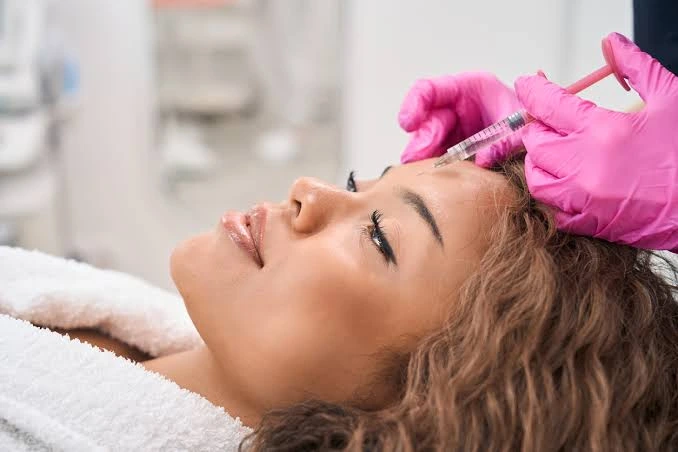
Botox is a widely used treatment in cosmetic care. Botox is also applied in a range of medical contexts beyond cosmetic use, and it is a versatile form of treatment available today. Understanding the basics, including what Botox is, its use cases, and what the process entails, can help you approach your care with clarity.
What Is Botox?
Botox is the brand name for an injectable substance, and it is derived from a natural substance called botulinum toxin. When purified for medical and cosmetic use, it is refined and administered in very small, measured amounts. Professionals inject it into targeted areas beneath the skin.
The product works by temporarily reducing muscle activity in the treated region. Certain lines and creases form as a result of repeated muscle movement, so calming those muscles can soften their appearance over time. The effect is temporary and gradually fades, which is why treatments are often repeated to maintain results.
What Is It Used For?
Botox is best known for its cosmetic applications, but its uses extend into several other areas as well. There are some common purposes for which trained providers may recommend it. Cosmetic applications vary, including:
- Softening the appearance of frown lines between the eyebrows
- Reducing the look of horizontal lines across the forehead
- Minimizing fine lines that form near the outer corners of the eyes
The suitability of any treatment depends on the individual’s goals, as well as the assessment of a provider. A professional evaluates each person’s goals and physical characteristics before recommending a course of action. Outcomes vary from person to person, and an open discussion with a provider helps set realistic expectations.
What Should You Expect?
The Botox process is generally brief, and it often follows a standard sequence. Knowing the typical steps in advance can help reduce uncertainty for those who are new to the treatment. Before the appointment, a provider usually reviews your health background and discusses the areas you wish to address. This conversation allows the provider to determine whether the treatment aligns with your goals.
During the appointment, the provider administers a series of small injections using a fine needle. The number of injections depends on the region being treated and the plan agreed upon beforehand. Most sessions are completed within a short window of time, and they often take around 10 to 20 minutes.
Many people return to their usual activities without needing extended downtime after the appointment. Providers may offer simple guidance, such as avoiding rubbing the treated area for a period of time. Some individuals notice mild redness or minor bruising near the injection sites, but these effects commonly subside on their own.
Visible changes tend to appear gradually over the days following treatment, rather than immediately. Results are temporary, and they typically last for a limited number of months before the muscle activity returns to its prior state. Repeat sessions may be scheduled to sustain the desired appearance.
Seek Professional Aesthetic Services
Botox continues to be a viable option for individuals interested in addressing specific concerns through a minimally invasive approach. Every face and every set of goals is different, so a personalized approach is beneficial to achieving desired outcomes. Taking the time to gather information places you in a stronger position to pursue suitable care, helping to match your needs and expectations.
