


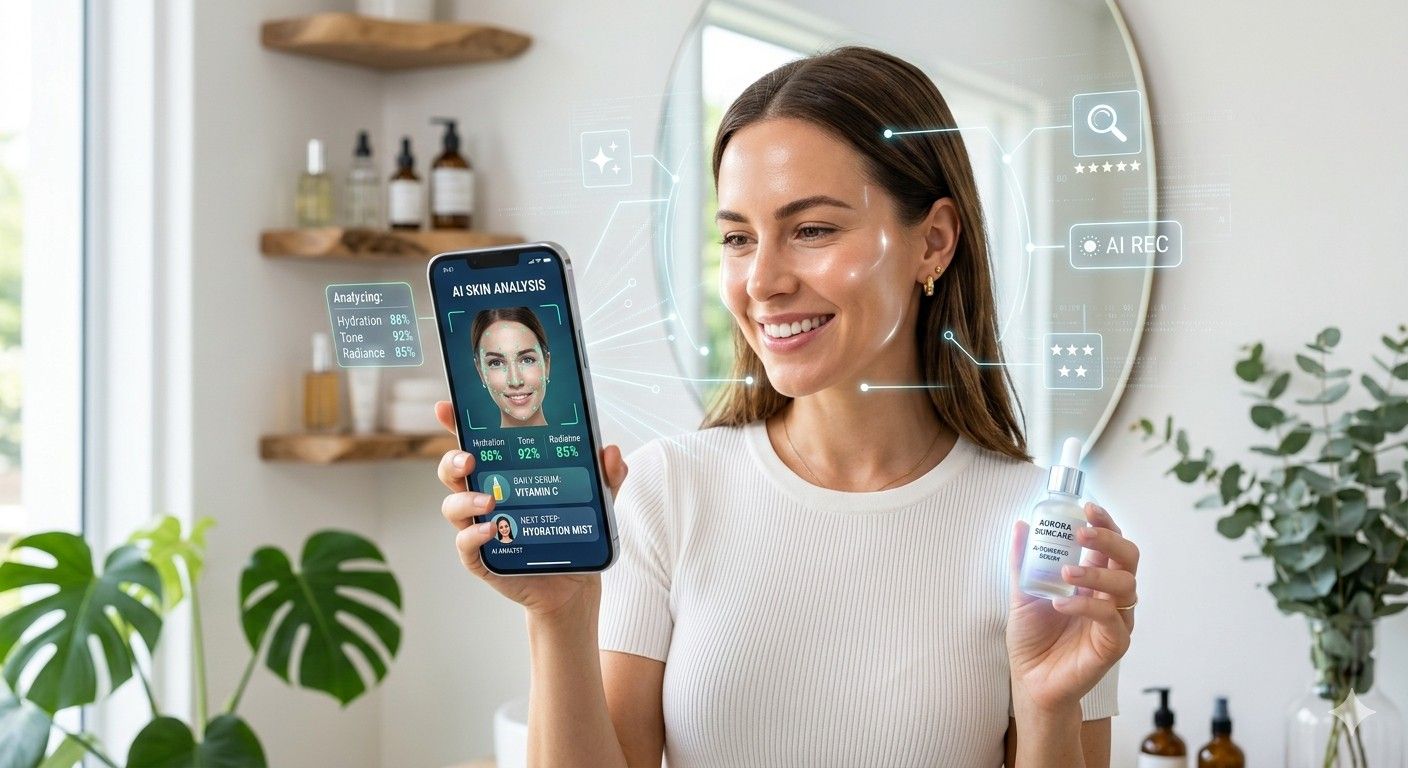
The beauty industry is changing rapidly, and skincare tips AI technology is becoming one of the biggest innovations in personal skincare. Instead of relying on generic advice, people can now use artificial intelligence to receive personalized recommendations based on their unique skin type, concerns, and goals.
From AI-powered skin analysis apps to smart beauty devices, technology is helping users make better skincare decisions. Whether you’re dealing with acne, pigmentation, fine lines, or dryness, AI tools can provide data-driven insights that make skincare more effective.
This guide explores how AI is transforming skincare, practical skincare tips powered by AI technology, and what consumers should know before relying on these advanced solutions.
What Is Skincare Tips AI Technology?
Skincare tips: AI technology refers to artificial intelligence systems designed to analyze skin conditions and provide customized skincare recommendations.
These systems use technologies such as:
- Machine learning
- Computer vision
- Image recognition
- Predictive analytics
- Skin health databases
By analyzing selfies, skin scans, lifestyle habits, and environmental factors, AI can identify issues that may not be immediately visible to the human eye.
The goal is simple: provide personalized skincare guidance that improves results while reducing trial and error.
How AI Is Revolutionizing Modern Skincare
Traditional skincare advice often follows a one-size-fits-all approach. AI changes that by creating personalized recommendations.
AI-Powered Skin Analysis
Many skincare platforms allow users to upload photos of their faces. The AI evaluates factors such as:
- Fine lines and wrinkles
- Dark spots
- Acne severity
- Skin texture
- Pore size
- Hydration levels
- Redness and inflammation
The technology compares results against millions of skin data points to generate customized skincare suggestions.
Personalized Product Recommendations
AI tools can recommend products based on:
- Skin type
- Age
- Climate
- Lifestyle
- Existing skin concerns
This personalization helps consumers avoid buying products that may not suit their skin.
Continuous Progress Tracking
One of the most useful features of skincare tips AI technology is progress monitoring.
Users can:
- Compare skin changes over time
- Measure improvement objectively
- Adjust routines based on results
- Identify products that work best
Benefits of Using Skincare Tips AI Technology
AI-driven skincare offers several advantages compared to traditional approaches.
Better Personalization
Everyone’s skin is different. AI creates recommendations specifically tailored to individual needs rather than broad categories.
Faster Identification of Skin Concerns
AI can detect early signs of:
- Sun damage
- Hyperpigmentation
- Acne development
- Aging symptoms
Early detection often leads to more effective treatment.
Improved Product Selection
Consumers spend billions annually on skincare products that may not work for them.
AI reduces guesswork by narrowing down options based on actual skin data.
Data-Driven Decisions
Rather than following trends or social media recommendations, users can make skincare choices backed by objective analysis.
Essential Skincare Tips AI Technology Users Should Follow
While AI provides valuable recommendations, good skincare habits remain essential.
1. Use AI as a Guide, Not a Replacement
AI tools are helpful, but they do not replace professional dermatological care.
Consult a dermatologist when dealing with:
- Severe acne
- Persistent rashes
- Suspicious skin lesions
- Chronic skin conditions
AI works best as a complementary tool.
2. Upload High-Quality Photos
For accurate results:
- Use natural lighting
- Remove makeup
- Face the camera directly
- Avoid filters
Poor-quality images can affect analysis accuracy.
3. Track Results Consistently
AI systems become more valuable over time.
Take regular photos:
- Weekly
- Bi-weekly
- Monthly
Consistency helps identify trends and evaluate product effectiveness.
4. Be Honest About Lifestyle Factors
Many AI skincare platforms ask about:
- Diet
- Sleep quality
- Water intake
- Stress levels
- Exercise habits
Providing accurate information improves recommendation quality.
5. Combine AI Insights with Healthy Habits
Even the best skincare technology cannot replace healthy daily practices.
Focus on:
- Adequate sleep
- Hydration
- Balanced nutrition
- Sun protection
- Stress management
How AI Creates Personalized Skincare Routines
One reason AI technology is gaining popularity in skincare tips is its ability to build individualized skincare plans.
Morning Routine Recommendations
AI may suggest:
- Gentle cleansers
- Vitamin C serums
- Moisturizers
- Broad-spectrum sunscreen
Recommendations vary depending on skin sensitivity and environmental conditions.
Evening Routine Recommendations
AI often focuses on:
- Deep cleansing
- Retinoids
- Exfoliation schedules
- Barrier-repair products
The system adjusts routines according to skin response and progress.
Seasonal Adjustments
Skin needs to change throughout the year.
AI can recommend modifications based on:
- Humidity levels
- Temperature changes
- UV exposure
- Pollution levels
This dynamic approach improves long-term skin health.
AI Technology and Common Skin Concerns
Acne Management
AI can help identify:
- Acne triggers
- Product compatibility
- Severity patterns
Users often gain better insight into which products support clearer skin.
Hyperpigmentation
AI analysis can measure:
- Spot size
- Color intensity
- Improvement over time
This allows users to evaluate treatment effectiveness objectively.
Anti-Aging Support
Many AI tools track:
- Wrinkle depth
- Skin elasticity
- Texture changes
This information helps users adjust anti-aging routines more effectively.
Sensitive Skin Care
AI can identify potential irritation risks and suggest gentler alternatives that match individual skin profiles.
The Future of Skincare Tips: AI Technology
The next generation of AI-powered skincare is expected to become even more advanced.
Real-Time Skin Monitoring
Future devices may continuously monitor:
- Hydration
- Oil production
- UV exposure
- Skin barrier health
Users could receive instant recommendations throughout the day.
Wearable Beauty Technology
Smart mirrors and wearable sensors are expected to become more common.
These tools may provide:
- Daily skin reports
- Product application guidance
- Environmental risk alerts
Predictive Skin Health
AI is increasingly moving from analysis to prediction.
Future systems may forecast:
- Acne outbreaks
- Premature aging risks
- Seasonal skin changes
- Hydration needs
This proactive approach could help prevent issues before they become visible.
Potential Limitations of AI in Skincare
Although promising, AI technology has some limitations in skincare tips.
Data Quality Matters
AI recommendations depend on the quality of uploaded images and user information.
Poor data can lead to inaccurate suggestions.
Skin Diversity Challenges
Some AI systems perform better on certain skin tones than others.
Leading developers continue improving inclusivity and dataset diversity.
Privacy Considerations
Users should review privacy policies before sharing facial images and personal information.
Choose platforms that:
- Protect user data
- Offer secure storage
- Clearly explain data usage
Not a Medical Diagnosis Tool
AI can identify patterns, but it cannot provide medical diagnoses.
Professional medical evaluation remains essential when serious skin concerns arise.
Best Practices for Getting Results with AI-Powered Skincare
To maximize the benefits of skincare tips, AI technology:
- Use reputable AI skincare platforms.
- Follow recommendations consistently.
- Track progress over several months.
- Wear sunscreen daily.
- Maintain healthy lifestyle habits.
- Review routine effectiveness regularly.
- Consult skincare professionals when needed.
Combining technology with proven skincare fundamentals often delivers the best outcomes.
Frequently Asked Questions
Are skincare tips AI technology accurate?
Many AI skincare platforms provide useful insights and personalized recommendations. Accuracy depends on the quality of data, algorithms, and user input. AI should be viewed as a support tool rather than a replacement for professional dermatology.
Can AI detect skin problems?
AI can identify patterns associated with acne, wrinkles, pigmentation, redness, and other visible concerns. However, it cannot officially diagnose medical skin conditions.
Are AI skincare apps worth using?
For many users, AI skincare apps offer valuable personalization and progress tracking. They can help reduce guesswork when selecting products and building routines.
Does AI work for all skin types?
Modern AI systems are improving their ability to analyze diverse skin tones and conditions. However, performance may vary depending on the platform and its training data.
Will AI replace dermatologists?
No. AI can assist with skincare recommendations and monitoring, but dermatologists remain essential for diagnosis, treatment, and management of medical skin conditions.
What is the biggest advantage of AI skincare?
Personalization is the biggest benefit. AI can tailor recommendations to individual skin needs, helping users create more effective skincare routines.
Conclusion
Skincare tips: AI technology is transforming how people understand and care for their skin. By combining artificial intelligence, image analysis, and personalized recommendations, these tools help users make smarter skincare decisions based on real data rather than guesswork.
As AI continues to evolve, consumers can expect more accurate skin assessments, predictive insights, and customized routines that adapt to changing needs. While AI is not a substitute for professional medical care, it is becoming a valuable companion for anyone seeking healthier, more informed skincare habits.
The future of skincare is increasingly personalized, data-driven, and powered by intelligent technology. Those who learn to combine AI insights with consistent skincare practices will be well-positioned to achieve better long-term skin health.
