


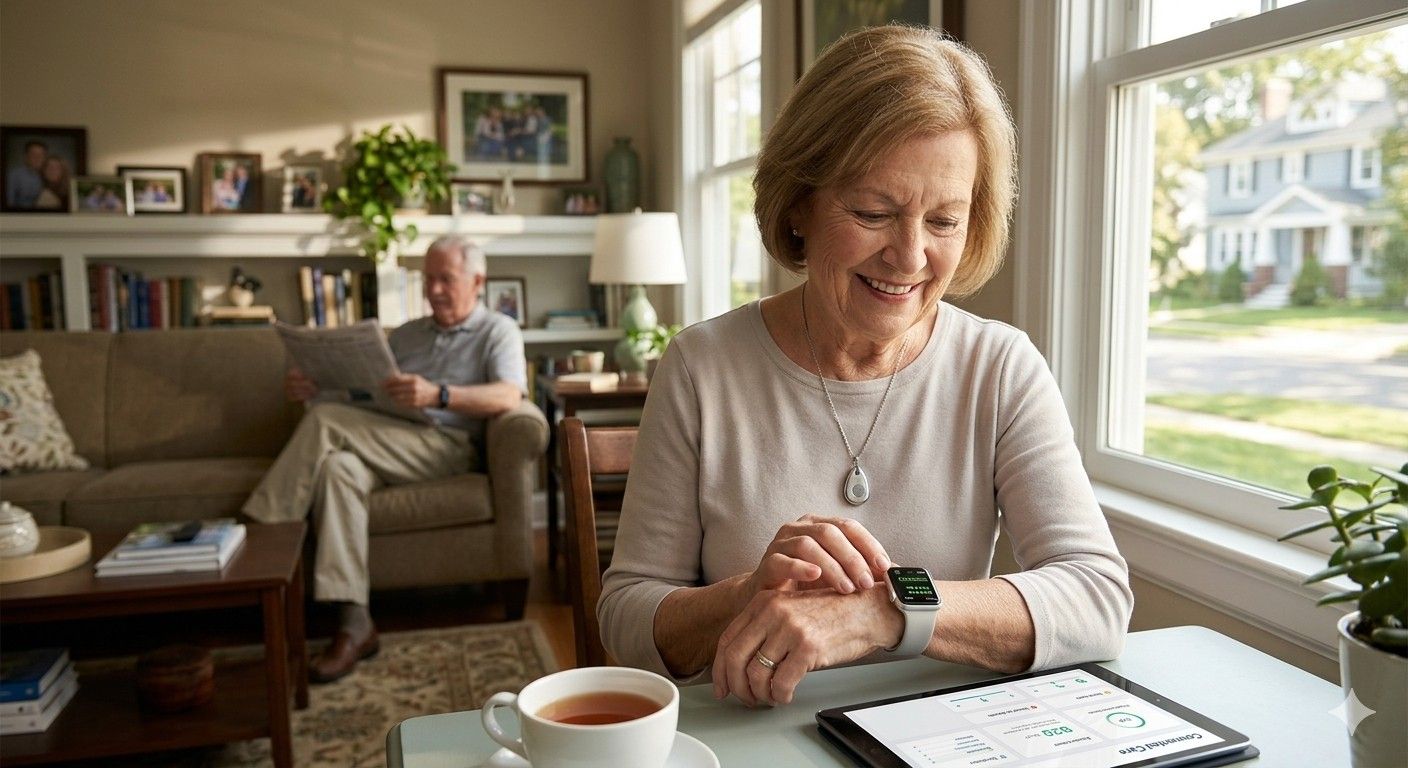
Growing older does not mean giving up independence. Thanks to rapid innovation, wearable technology for seniors is making daily life safer, healthier, and more connected than ever before.
From smartwatches that detect falls to health-monitoring devices that track heart rate and sleep patterns, wearable devices are helping older adults maintain their freedom while giving family members greater peace of mind.
As healthcare systems increasingly focus on preventive care and remote monitoring, wearable technology has become an essential tool for aging populations worldwide. This guide explores everything seniors and caregivers need to know about these devices, including benefits, features, challenges, and future developments.
What Is Wearable Technology for Seniors?
Wearable technology for seniors refers to electronic devices designed to be worn on the body to monitor health, improve safety, and enhance communication.
These devices collect real-time data and often connect to smartphones, caregivers, healthcare providers, or emergency services.
Common wearable devices include:
- Smartwatches
- Medical alert bracelets
- GPS tracking devices
- Fitness trackers
- Smart hearing aids
- Fall detection pendants
- Health-monitoring patches
Unlike traditional medical equipment, modern wearables are lightweight, comfortable, and easy to use.
Why Wearable Technology Is Becoming Essential for Older Adults
The global senior population continues to grow, creating increased demand for technologies that support healthy aging.
Wearables help bridge the gap between independence and healthcare by offering continuous monitoring without disrupting daily life.
Key reasons for their popularity include:
- Increased life expectancy
- Rising healthcare costs
- Growing preference for aging in place
- Improved connectivity with family members
- Advancements in remote patient monitoring
For many seniors, wearable devices provide reassurance without sacrificing privacy or autonomy.
Benefits of Wearable Technology for Seniors
Enhanced Personal Safety
One of the biggest advantages of wearable technology is improved safety.
Many devices include:
- Automatic fall detection
- Emergency SOS buttons
- GPS location tracking
- Real-time alerts
If a senior experiences a fall or medical emergency, the device can instantly notify caregivers or emergency responders.
This rapid response can significantly reduce complications and improve outcomes.
Better Health Monitoring
Wearable devices continuously track important health metrics.
Common monitoring features include:
- Heart rate tracking
- Blood oxygen monitoring
- Sleep analysis
- Blood pressure monitoring
- Activity tracking
- Stress level assessment
Early detection of unusual patterns can encourage timely medical intervention.
Greater Independence
Many older adults want to remain in their own homes as long as possible.
Wearables support independent living by helping seniors:
- Manage medications
- Track physical activity
- Receive reminders
- Stay connected with loved ones
This reduces reliance on constant supervision while maintaining safety.
Improved Communication
Modern wearable devices often allow:
- Voice calls
- Video communication
- Messaging
- Emergency contact access
Seniors can quickly reach family members without needing to locate a phone.
Encouragement for Healthy Habits
Fitness tracking features motivate seniors to stay active.
Daily goals can encourage:
- Walking
- Better sleep habits
- Hydration
- Exercise routines
Even small improvements in physical activity can contribute to long-term health benefits.
Key Features to Look for in Wearable Technology for Seniors
Not all wearable devices are created equally. Choosing the right solution depends on individual needs and lifestyle.
Fall Detection Technology
Falls are among the leading causes of injury in older adults.
Advanced sensors can detect sudden movements and automatically send alerts if assistance is needed.
Look for:
- Automatic detection
- Emergency response integration
- Fast notification systems
GPS Location Tracking
GPS functionality is especially valuable for seniors living with cognitive conditions.
Benefits include:
- Location sharing
- Wandering prevention
- Emergency tracking
- Caregiver monitoring
Health Monitoring Sensors
The best wearable technology for seniors includes comprehensive health tracking.
Important sensors may monitor:
- Heart rate
- Oxygen saturation
- Sleep quality
- Activity levels
- Irregular heart rhythms
Medication Reminders
Medication adherence can be challenging for many older adults.
Wearable devices can provide:
- Audible reminders
- Vibrating alerts
- Scheduled notifications
This feature helps reduce missed doses.
Battery Life
Long battery life is critical.
Seniors should not have to recharge devices multiple times each day.
Look for devices that offer:
- Several days of battery life
- Easy charging methods
- Low-maintenance operation
Ease of Use
Simple design often matters more than advanced features.
Ideal devices include:
- Large displays
- Clear instructions
- Intuitive controls
- Voice commands
Technology should simplify life, not complicate it.
Types of Wearable Technology for Seniors
Smartwatches
Smartwatches are among the most versatile options available.
Features often include:
- Health monitoring
- GPS tracking
- Fall detection
- Communication tools
- Fitness tracking
They combine multiple functions into a single wearable device.
Medical Alert Systems
Medical alert wearables focus primarily on emergency response.
They typically offer:
- One-touch emergency assistance
- 24/7 monitoring
- Fall detection
- Caregiver notifications
These systems remain popular among older adults living alone.
Fitness Trackers
Fitness trackers encourage movement and healthy habits.
Common capabilities include:
- Step counting
- Sleep tracking
- Heart rate monitoring
- Exercise tracking
They are often affordable and easy to wear.
Smart Hearing Devices
Modern hearing aids have evolved significantly.
Advanced models can:
- Connect to smartphones
- Stream audio
- Reduce background noise
- Improve communication
Many now integrate with broader health ecosystems.
Wearable Health Monitors
These devices focus on medical conditions and chronic disease management.
Examples include:
- Glucose monitoring systems
- Cardiac monitoring devices
- Blood pressure wearables
- Remote patient monitoring tools
Healthcare providers increasingly use these technologies to support ongoing care.
How Wearables Support Aging in Place
Aging in place allows seniors to remain in familiar surroundings rather than moving into assisted living facilities.
Wearable technology plays a major role in making this possible.
Continuous Monitoring Without Intrusion
Traditional monitoring often requires frequent caregiver visits.
Wearables provide ongoing oversight while respecting privacy.
Faster Emergency Response
Emergencies can escalate quickly.
Real-time alerts enable:
- Faster intervention
- Improved safety
- Reduced hospitalization risks
Increased Family Confidence
Family members often worry about older relatives living independently.
Wearables provide visibility and reassurance without constant check-ins.
Challenges and Limitations of Wearable Technology
While wearable technology for seniors offers many advantages, there are still challenges to consider.
Learning Curve
Some older adults may initially struggle with new technology.
Successful adoption often requires:
- Clear instructions
- Family support
- User-friendly interfaces
Privacy Concerns
Health monitoring generates sensitive information.
Users should understand:
- What data is collected
- How information is stored
- Who can access it
Device Costs
Advanced wearable devices can be expensive.
Potential expenses include:
- Device purchase
- Subscription fees
- Cellular connectivity charges
Budget considerations remain important.
Battery Maintenance
Even the best device becomes ineffective if it is not charged regularly.
Simple charging systems help improve consistency.
Future Trends in Wearable Technology for Seniors
The future of senior-focused wearables looks promising.
Several emerging innovations are expected to transform elder care.
Artificial Intelligence Integration
AI-powered wearables may soon:
- Predict health issues
- Identify behavioral changes
- Detect early warning signs of illness
This could lead to earlier interventions and better outcomes.
Advanced Remote Healthcare
Telehealth and wearable technology are becoming increasingly connected.
Healthcare professionals can remotely:
- Review patient data
- Monitor chronic conditions
- Adjust treatment plans
This reduces unnecessary clinic visits.
Non-Invasive Monitoring
Future devices may measure additional health indicators without needles or invasive procedures.
Researchers continue to develop:
- Improved glucose monitoring
- Advanced cardiac sensors
- Continuous hydration tracking
Smart Home Connectivity
Wearables are increasingly connecting with smart home systems.
Possible integrations include:
- Voice assistants
- Automated lighting
- Medication dispensers
- Emergency response systems
This creates a more supportive living environment.
Choosing the Right Wearable Device
Selecting the best wearable technology for seniors depends on individual needs.
Ask these questions:
- Is fall detection required?
- Does the user have chronic health conditions?
- Is GPS tracking necessary?
- How comfortable is the senior with technology?
- What is the available budget?
The ideal device balances safety, usability, comfort, and affordability.
Frequently Asked Questions
What is wearable technology for seniors?
Wearable technology for seniors includes devices worn on the body that monitor health, enhance safety, track activity, and provide emergency assistance.
Are wearable devices safe for older adults?
Yes. Most wearable devices are designed with senior safety in mind and include features such as fall detection, emergency alerts, and health monitoring.
Can wearable technology detect falls?
Many modern devices include advanced sensors that automatically detect falls and notify caregivers or emergency services when necessary.
Do seniors need a smartphone to use wearable devices?
Not always. Some devices work independently using cellular connectivity, while others require a smartphone for full functionality.
How much does wearable technology for seniors cost?
Prices vary widely. Basic fitness trackers may cost less than $50, while advanced medical alert systems and health-monitoring wearables can cost several hundred dollars plus subscription fees.
Can wearable devices help manage chronic illnesses?
Yes. Many wearables monitor vital signs and health metrics, helping healthcare providers track conditions such as heart disease, diabetes, and hypertension.
What features should caregivers prioritize?
Caregivers often prioritize:
- Fall detection
- GPS tracking
- Emergency alerts
- Health monitoring
- Long battery life
These features provide both safety and peace of mind.
Conclusion
Wearable technology for seniors is reshaping how older adults maintain independence, monitor health, and stay connected with caregivers and loved ones. From fall detection and GPS tracking to advanced health monitoring and AI-driven insights, these devices provide practical solutions for modern aging challenges.
As technology continues to evolve, wearable devices will become even more accurate, affordable, and integrated into daily life. For seniors seeking greater confidence and families looking for additional reassurance, wearable technology offers a powerful path toward safer, healthier, and more independent living.
Investing in the right wearable device today can help create a more secure and connected future tomorrow.
