


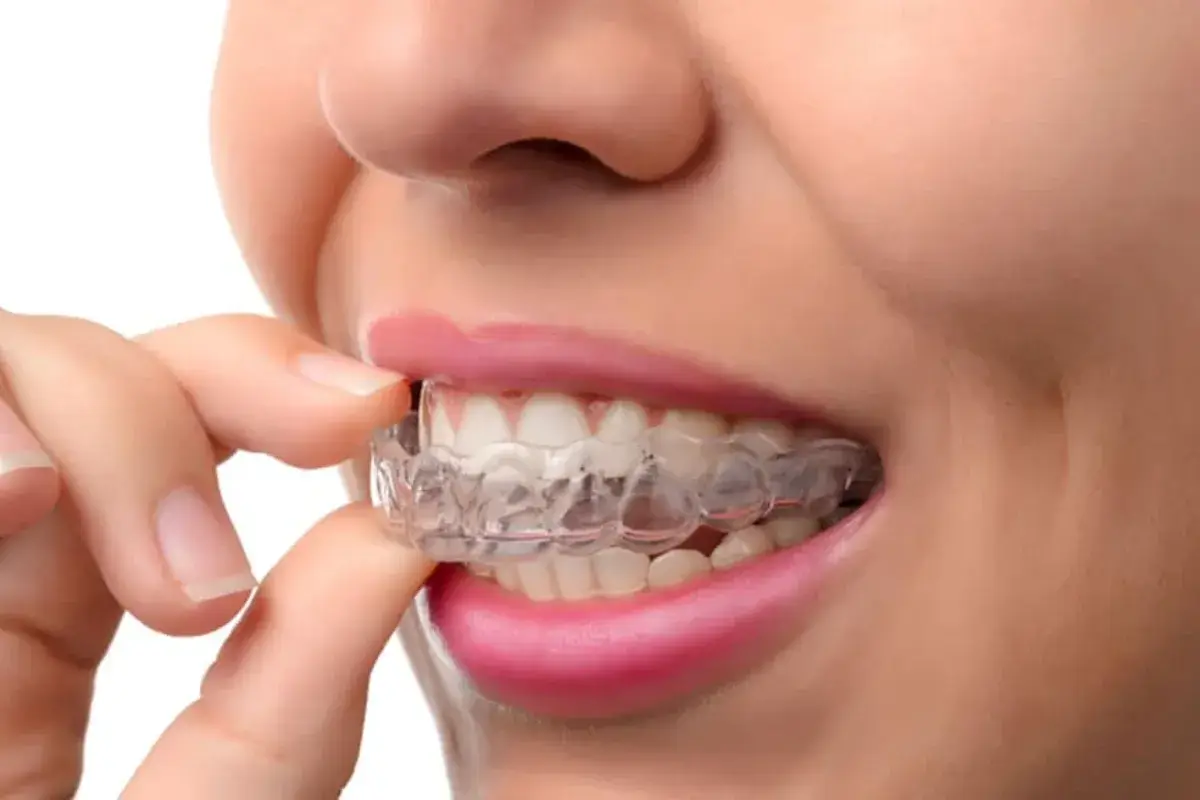
Misaligned teeth affect both function and appearance, since they do not line up properly. Invisalign uses clear, removable aligners to shift teeth into better positions. The aligners are made from SmartTrack, and they work gradually over time.
Aligners and How They Work
Each aligner applies gentle pressure, and it targets specific teeth during that stage. Invisalign moves teeth in small, planned stages. You wear a set for about two weeks, then you switch to the next set in the series. The aligners are clear and removable, so they stay discreet while your teeth shift. This makes many candidates prefer aligners, though your provider confirms whether your case suits the treatment. Not every type of misalignment is a match for Invisalign. A professional evaluation is a first step.
Comfort in Everyday Wear
Living with Invisalign fits into most routines with minimal disruption. You remove the aligners to eat, brush, and floss, so cleaning stays simple. Because the aligners come out, you can maintain your usual diet, and you care for your teeth normally. Most people notice a brief adjustment period at the start of each new aligner set. Mild pressure is common during the first day or two, and it typically fades as your teeth adapt to the new position. This sensation signals that the aligner is working as intended, so it is a normal part of the process. Over-the-counter pain relief can help if the discomfort is noticeable, and most people find it manageable within a short time. Speech may also shift slightly when you first begin wearing aligners. Reading aloud or practicing conversation can help speed up that adjustment.
- Remove aligners to eat, drink, brush, and floss to keep cleaning simple.
- Expect mild pressure for the first day or two when switching to a new aligner set.
- Wear aligners for most of the hours each day to keep treatment on schedule.
- Speech may shift slightly at first; most people adapt within a few days of consistent wear.
- The SmartTrack material contains no gluten, latex, or BPA, making it safe for most people.
Invisalign Care and Maintenance
Care and maintenance keep aligners clear and effective. Since you should rinse each aligner when you remove it, clean it with a soft toothbrush. Store aligners in their case when out, and clean your teeth before reinserting them. These steps protect the material and help prevent staining or odor during wear. Eating and drinking with aligners in can stain them. Remove aligners before drinking coffee, tea, or colored beverages, and rinse your mouth before putting them back in.
Carrying a care kit with a toothbrush and aligner case helps you keep up these habits. A consistent routine protects the aligners and your oral health, supporting a smooth treatment from start to finish. Your provider schedules check-ins to track progress. These visits confirm teeth are moving as planned, and they allow for changes. Some providers offer remote tools to share progress between appointments. If an aligner fits poorly or causes discomfort, contact your provider promptly instead of waiting for your next visit.
Discuss Invisalign Today
Invisalign offers a clear option for correcting misaligned teeth. The process is gradual, since the aligners are low-maintenance, and the material suits a wide range of patients. A consultation determines whether you qualify as a candidate. Schedule an evaluation with an Invisalign provider, and you can review a treatment plan built around your teeth.
