


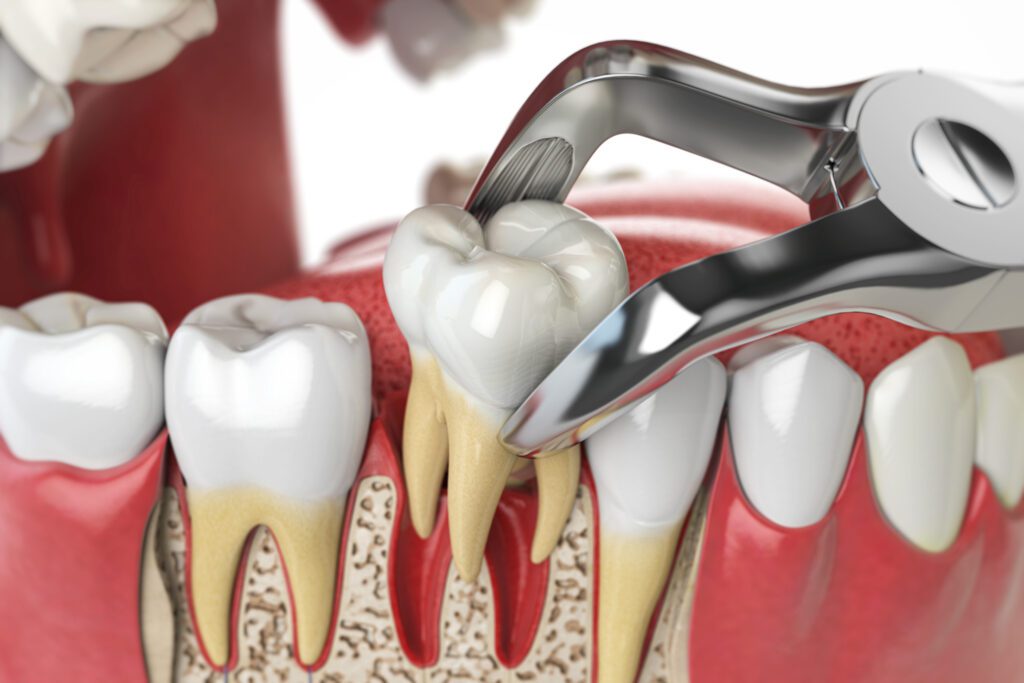
When a tooth must be removed because of damage, decay, or other dental concerns, tooth extraction is performed to safely remove it from its socket in the jawbone. Preparation matters. Understanding what the procedure entails helps make the experience smoother, and using the right tips beforehand supports better healing. Here is more information on what is involved in preparing for a tooth extraction:
What Is Tooth Extraction?
Tooth extraction is a dental procedure in which a tooth is removed from its socket in the jawbone. Dentists classify extractions as either simple or surgical, and the distinction depends on the complexity of the case. When a tooth is visible above the gum line, it can typically be removed with basic instruments, which is called a simple extraction.
A surgical extraction is more involved. It is typically required when a tooth is impacted or broken beneath the surface, so the dentist must make an incision in the gum tissue to access it. This approach is more complex, and it may require additional recovery time as the soft tissue heals after the procedure.
Why Is It Conducted?
Dentists recommend tooth extractions for several clinical reasons, and understanding these reasons helps patients make informed decisions about their dental care. Severe tooth decay, advanced gum disease, and dental trauma are common causes. When teeth are too damaged or diseased to restore, extraction becomes the most appropriate course of action.
Impacted wisdom teeth are another common reason for extraction. When a wisdom tooth fails to emerge properly, it can press against neighboring teeth and cause pain. This creates a risk of infection. Dentists may also recommend extraction to relieve overcrowding before orthodontic treatment begins; removing a tooth early helps prevent more serious complications.
What Happens During an Extraction?
Before the procedure, the dentist will administer a local anesthetic to numb the area around the tooth. Once the area is numb, the dentist loosens the tooth from the surrounding ligament and bone, then uses forceps to carefully remove it from its socket. Surgical extractions follow a similar process, but they require additional steps that increase procedural complexity. The dentist may need to make a small incision in the gum, and in some cases, the tooth is sectioned into smaller pieces before removal. The duration varies depending on the complexity of the extraction.
What Does Preparation Involve?
Preparation begins with a consultation, during which the dentist will review the patient’s medical history, current medications, and any existing health conditions. On the day of the extraction, wear comfortable clothing. If sedation is used, arrange transportation and follow any fasting instructions the dentist provides. Sedation typically requires avoiding food and drink for several hours beforehand, so plan ahead. Arriving well-rested supports a smoother procedure and recovery.
Before the appointment, prepare the home for recovery. This may include buying:
- Soft food
- Ice packs
- Gauze pads
- Pain relievers
Prepare for the Process Today
Tooth extraction is straightforward when you have the right information; learning more about the process helps you know what to expect. Preparing your medications, home, and schedule in advance facilitates a smoother recovery. If you are preparing for an extraction, ask your dentist any questions you have.
