


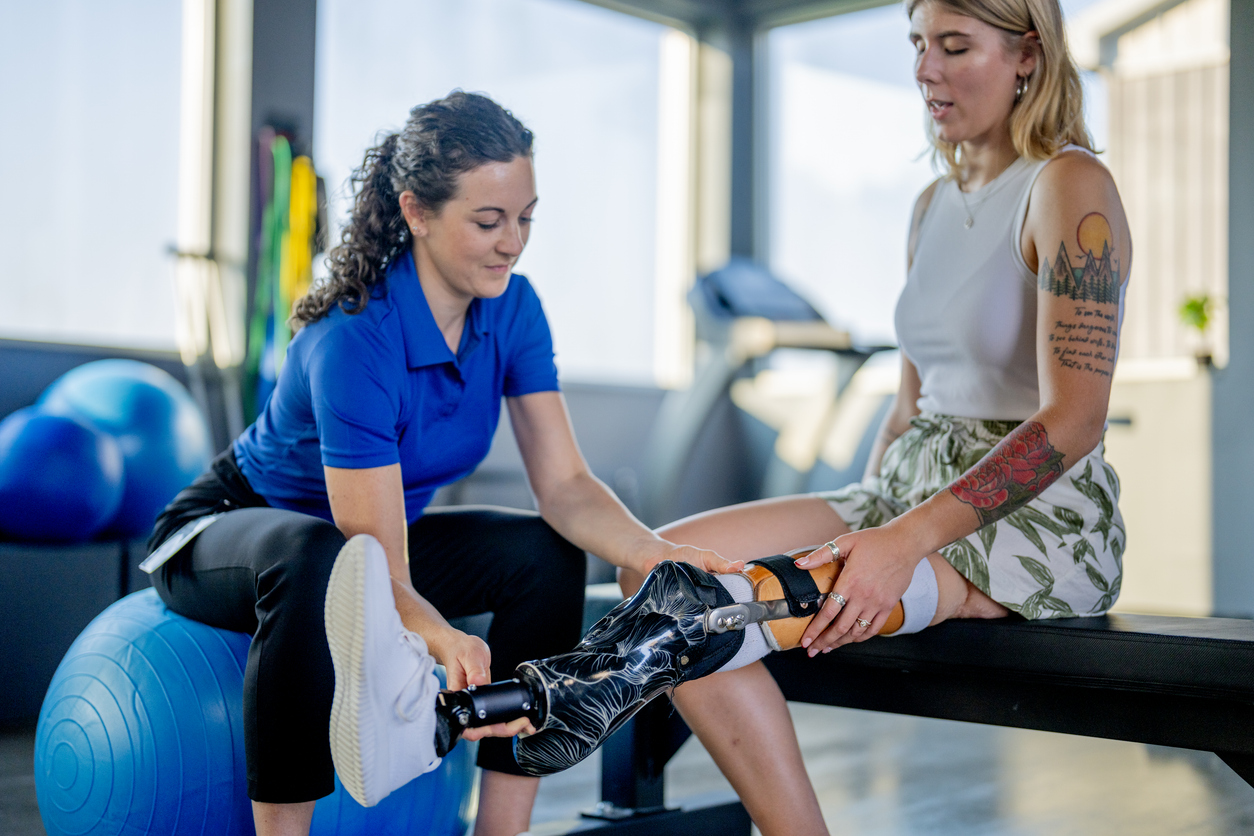
Physical therapy is a structured, evidence-based healthcare discipline, and it involves tools, techniques, and technologies to support recovery across a wide range of conditions. While its core focus remains on restoring movement and reducing pain, it also addresses overall physical function. Patients managing injury, chronic pain, or mobility limitations benefit from professional care. Here is more information on what physical therapy is, the conditions it addresses, and the innovative methods physical therapists offer:
What Is Physical Therapy?
Physical therapy is a healthcare discipline focused on restoring movement and function. A physical therapist assesses the patient’s condition and identifies limitations, which allows them to design a treatment plan suited to the patient’s specific needs. Treatment combines targeted exercises, manual techniques, and education about body mechanics. A physical therapist monitors progress throughout the process, and they adjust the plan as the patient’s body responds to treatment.
What Conditions Does It Address?
Physical therapy addresses a broad spectrum of conditions across different body systems. Physical therapy commonly treats musculoskeletal issues, including back pain, joint injuries, and post-surgical recovery. Sports injuries and repetitive strain disorders fall within the scope of physical therapy, and clinicians apply targeted techniques to support recovery. Patients who follow a structured program may see measurable improvements in mobility, as the body gradually adapts to therapeutic input.
Additional cases in which physical therapy may be recommended include:
- Sciatica
- Work injuries
- Post-surgical recovery
What Are Innovative Approaches?
When modern physical therapy is tailored to a patient’s needs, it incorporates targeted techniques that support recovery and restore function. Heat, cold, and pressure-based stimulation manage pain and reduce inflammation; they also prepare tissues for further treatment. These modalities may work better with active interventions.
Balance and coordination training addresses deficits that arise from injury or prolonged inactivity. A physical therapist designs specific exercises to retrain the body’s proprioceptive responses, and these exercises help improve postural stability. Progressive strengthening exercises build muscular capacity in a controlled, graduated manner, which prevents overloading healing tissues.
Functional movement retraining restores the movement patterns required for daily activities and occupational demands. Because strength and mobility gains translate into practical improvements, this approach connects clinical progress and real-world function. Endurance and cardiovascular conditioning may also be incorporated, particularly for patients managing chronic conditions or recovering from extended periods of reduced activity; a physical therapist selects these methods based on the patient’s diagnosis, current physical status, and treatment goals.
How Is Professional Care Beneficial?
Working with a healthcare professional produces advantages over unsupervised recovery. A professional evaluates the condition accurately and identifies underlying causes, which reduces the likelihood of treating symptoms in isolation. This precision supports steady progress, and it can minimize the risk of setbacks that prolong recovery.
Professional care provides accountability and structure, and these support recovery. A physical therapist demonstrates correct technique and corrects errors as they arise. Intensity is adjusted as strength improves, so ongoing supervision helps patients reach functional goals more efficiently while lowering the risk of re-injury.
Consult a Physical Therapist
Physical therapy offers structured, evidence-based support for a wide range of conditions; professional guidance remains the foundation of safe, effective recovery. If you experience pain, limited mobility, or ongoing rehabilitation needs, schedule a consultation with a licensed physical therapist. A trained professional can assess your condition and design a plan suited to your goals.
