


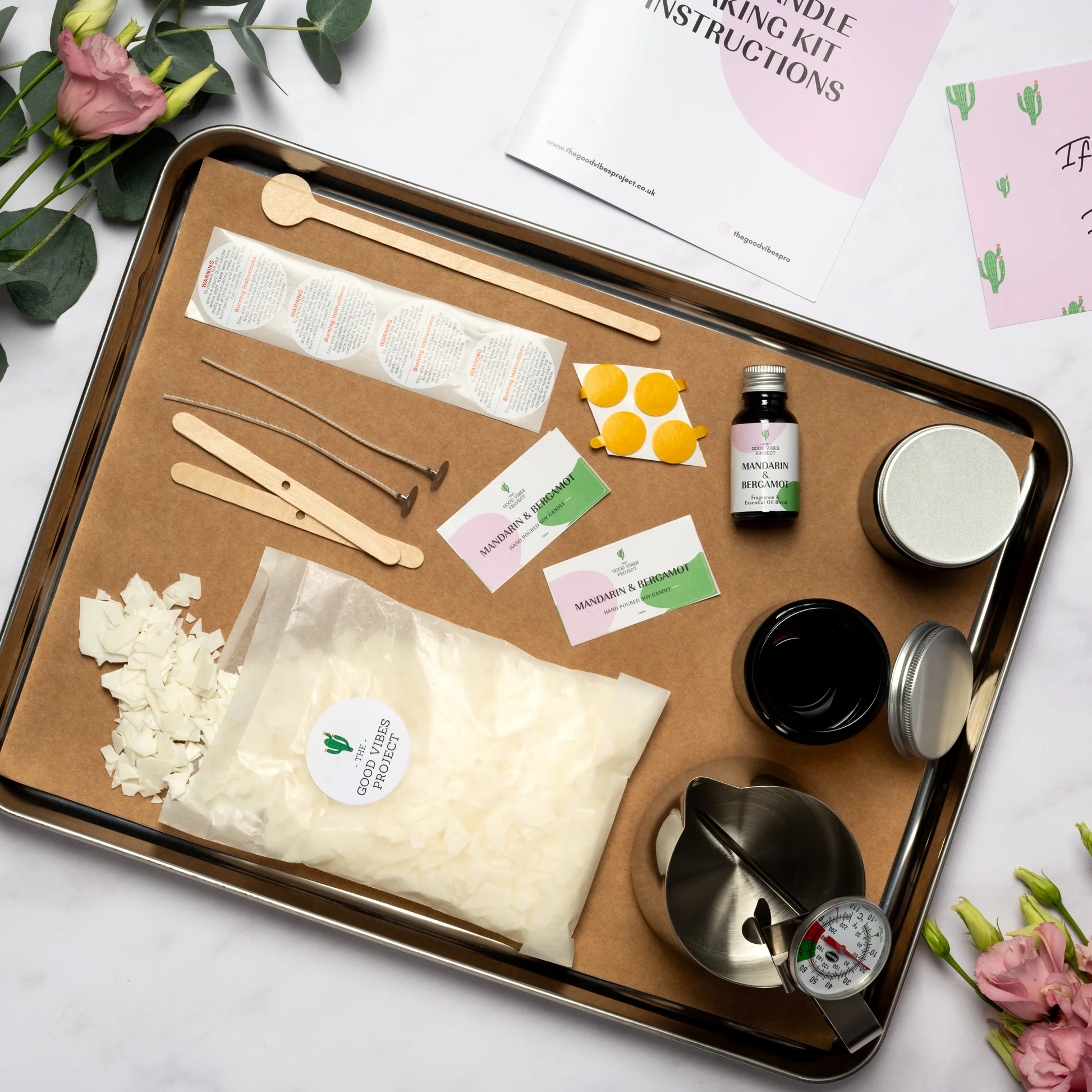
You can use candle making supplies to create custom scented candles at home. Fragrances help complement themes and seasons; some varieties also have aromatherapy benefits. Choose from a wide range of options, including jasmine, peppermint, vanilla, and citrus. Here are a few supplies for creating unique fragrance blends:
Fragrance Oils
Fragrance oils are available in floral, fruity, woody, and seasonal scents. You can use a single fragrance or combine compatible oils to create a more complex aroma. Blending vanilla with cinnamon creates a warm scent, while citrus and floral oils often produce a lighter fragrance. Start with small amounts when testing new combinations; this allows you to adjust each scent before making a larger batch.
When choosing candle making supplies, look for high-quality fragrance oils and measure blend percentages by weight. This helps you stay within the recommended maximum fragrance amount to avoid overloading. The combined oils should also be compatible with your chosen wax. Apothecary shops stock various options for you to experiment with, including:
- Vanilla and sandalwood
- Lemon and mint
- Lavender and chamomile
- Orange and cinnamon
Keep notes about your measurements and results for future signature candle projects, and use fragrance oils specifically formulated for candle making. You can also add certain essential oils to create unique blends. These plant-derived scents range from peppermint to eucalyptus. Some also have therapeutic benefits, such as easing headaches and soothing a stuffed-up nose.
Wax Varieties
The wax you choose can affect how your candles release fragrance; soy, paraffin, beeswax, and coconut wax have different properties. Wax type also influences how much fragrance oil a candle is able to hold. Start with a high-quality wax and follow the recommended fragrance load for your chosen product. Pair the wax with an appropriate wick and test your fragrance blend to help achieve a consistent burn and scent throw.
Natural Additives
Unique scented candles may feature dried botanicals, colorants, and other decorative elements. These supplies help complement specific fragrance themes. Natural additives also add character to your finished products. Lavender-inspired candles may feature purple coloring, and citrus blends work well with bright decorative details.
When using additives, choose materials that don’t interfere with the candle’s performance. Utilize precision tools, such as digital scales and measuring cups, to keep your ratios consistent across batches. You can start with a recipe and make small tweaks to achieve custom scented candles. Testing lets you discover fragrance blends that suit your preferences, and it helps reduce waste from premature large batches. You can create several small candles, compare their scents, and evaluate how the fragrance performs when burned.
Find Quality Candle Making Supplies
Making scented candles at home requires precision and testing to achieve the desired results. High-quality fragrance oils, paired with appropriate candle making techniques, can result in consistent scent throw and burn performance. Starting with small batches also allows you to try different combinations, fine-tune your formulation, and reduce waste. Explore candle making supplies to find the fragrance oils and other materials you need for your homemade candle projects.
