


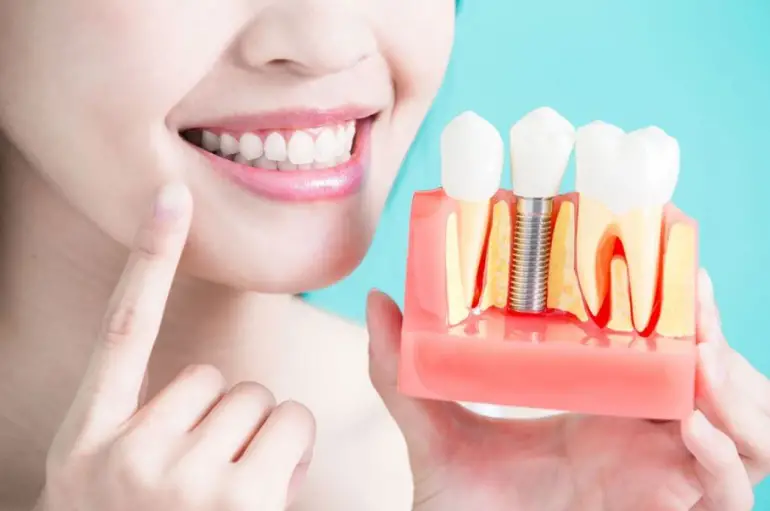
Dental implants are artificial tooth roots, usually made of titanium, that a dental provider places into the jawbone to support replacement teeth. People pursue them after losing one or more teeth to decay or injury, and the gap left behind can affect chewing and daily comfort. A missing tooth may also shift neighboring teeth over time, so many patients look for a stable, lasting solution. Here is more information about the benefits of dental implants:
Understanding the Process
The dental implants process usually begins with an evaluation. Your provider examines your mouth and reviews your dental history; they also often take X-rays or scans to assess the jawbone. This planning stage helps the provider decide whether an implant is a suitable option for your situation.
After the dentist determines you are a good candidate, next comes the surgical placement of the implant post. The provider inserts the titanium post into the jawbone, and the surrounding bone then begins to fuse with it during a healing period called osseointegration. This stage can take several weeks or months depending on individual factors.
The post integrates with the bone, and then the provider attaches a connector piece called an abutment. A custom-made crown is then secured to the abutment to complete the restoration. The result is a replacement tooth that sits firmly in place.
Preserving Jawbone Density
When a tooth is lost, the jawbone in that area no longer receives the stimulation it once got from chewing. The bone can gradually shrink over time, and this reduction sometimes changes the shape of the face and the fit of nearby teeth. Implants can effectively address this loss of stimulation.
Because an implant post integrates directly with the jawbone, it transmits chewing forces into the bone much like a natural root does. This ongoing stimulation supports the surrounding bone tissue, so the density in that area may be better maintained. Other tooth-replacement options rest on top of the gums. They do not provide this same effect.
Improving Speech and Enunciation
Missing teeth or loose dentures can affect how a person forms certain sounds. Dentures that slip may cause slurring or clicking, and this makes some words harder to pronounce clearly. Since implant-supported teeth anchor in the jaw, they do not move or shift during conversation. Speakers can form sounds more consistently.
Benefiting in the Long-term
The lifespan of a dental implant depends on several factors:
- Oral hygiene
- Overall health
- Regular dental visits
- Avoidance of harmful habits like smoking or teeth grinding
The implant post itself is designed to be a long-lasting part of the restoration, and many patients keep theirs for many years with proper care. Daily brushing and flossing help protect the gum tissue around the implant.
The crown attached to the implant may experience wear over time. Providers monitor this during checkups, and a crown can be replaced if it becomes damaged or worn. Routine professional cleanings are one factor that supports the health of the implant site.
Learn More About Dental Implants
Dental implants replace missing teeth with a titanium post, an abutment, and a custom crown, and the treatment involves careful planning followed by placement and healing. With good oral hygiene and regular checkups, implants are built to be a durable, long-term restoration. If you want to learn more about dental implants, consult a dental provider near you.
