


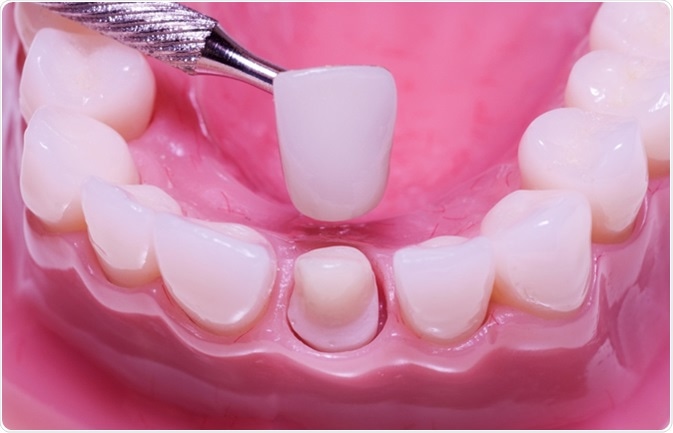
Tooth damage is common, and its effects extend beyond aesthetics. A cracked, decayed, or broken tooth can interfere with chewing and cause persistent pain. If left untreated, damaged teeth can lead to further dental complications; dental crowns offer a reliable solution for restoring smiles. Here is more information on tooth damage and dental crowns:
What Is Tooth Damage?
Tooth damage refers to any structural compromise of a tooth, ranging from minor chips to severe fractures or decay. Causes include physical trauma, untreated cavities, teeth grinding, and excessive wear from age. Not all tooth damage looks the same. Some cracks are visible to the eye, while others are only detectable through dental X-rays. When damage is significant enough to weaken the tooth’s structure, a restorative solution like dental crowns may be recommended.
What Are Dental Crowns?
A dental crown is a custom-fitted cap placed over a damaged tooth to restore its shape, size, and strength. Crowns are made from porcelain or ceramic, and the choice of material depends on the tooth’s location and the patient’s specific needs. Since front teeth require a natural appearance, porcelain and ceramic crowns benefit these areas.
Receiving a dental crown typically requires a couple of dental visits, and during the first visit, the dentist prepares the tooth by removing damaged tissue and reshaping it to accommodate the crown. A mold of the tooth is taken and sent to a dental lab for fabrication. The permanent crown is then cemented into place at the next visit, which completes the restoration process.
How Do They Restore Smiles?
Dental crowns restore smiles by replacing the damaged outer layer of a tooth with a durable, natural-looking covering. A well-fitted crown blends seamlessly with surrounding teeth in both color and shape, which makes it difficult to distinguish from a natural tooth. The crown can closely mimic natural tooth structure, and it addresses the cosmetic concerns caused by cracking, discoloration, or structural loss.
Crowns restore chewing function to a tooth that may have been too damaged to use comfortably. The crown acts as a protective barrier, and it shields the inner tooth from further damage or bacterial exposure. Patients who previously avoided certain foods due to tooth sensitivity or pain may find relief after receiving a crown, as the restoration eliminates the underlying structural deficiencies that caused discomfort.
What Are the Benefits?
Dental crowns offer several advantages for patients with tooth damage, including:
- Durability: With proper care, dental crowns can last many years.
- Functional restoration: Crowns return the tooth to its normal biting and chewing capacity.
- Protection: The crown seals the damaged tooth, reducing the risk of further decay or fracture.
- Aesthetic improvement: Crowns are shade-matched to neighboring teeth, creating a uniform smile.
Crowns also support long-term oral health. A tooth left unprotected after significant damage is vulnerable to infection and may eventually require extraction.
Consult a Dentist Today
Dental crowns are an effective restorative treatment for patients dealing with tooth damage of varying severity. Crowns address a broad range of conditions while delivering lasting results, and restoring a damaged tooth with a crown can improve both oral function and aesthetics. If you suspect you have tooth damage or have been told a crown may be necessary, schedule a consultation with a dentist. A clinical evaluation will determine whether a dental crown is the right treatment for your specific situation.
