


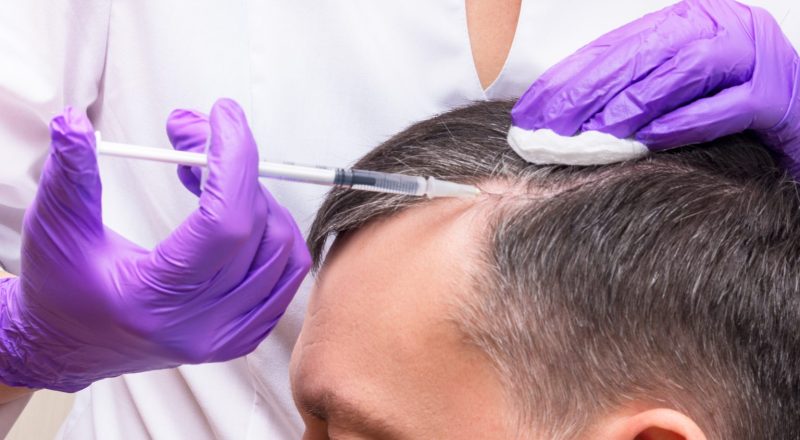
Hair loss occurs when aging, genetics, hormonal changes, or certain health conditions disrupt the natural hair growth cycle. PRP for hair loss uses concentrated platelets from a patient’s blood to support follicle function and encourage new growth. Here is more information on how PRP treatments stimulate hair growth:
Understanding PRP and Hair Loss
PRP begins with a blood draw, which a technician then places in a centrifuge to separate the components. The centrifuge spins the sample rapidly, and this process concentrates the platelets into a volume of plasma. When a provider injects this concentrated plasma into the scalp, the goal is to deliver growth factors directly to the areas where hair has thinned. The science behind PRP for hair loss rests on the idea that concentrated platelets may support the scalp environment. Here are a few components commonly associated with platelet-rich plasma:
- Platelet-derived growth factor: This protein is linked to cell growth and blood vessel formation, and it appears in high amounts within the plasma.
- Transforming growth factor: Researchers connect this protein to tissue repair processes.
- Vascular endothelial growth factor: This factor relates to the development of blood vessels, which support surrounding tissue.
These components work together within the plasma, and their combined presence is the foundation of the treatment’s approach.
Activating Dormant Hair Follicles
Hair follicles move through cycles of growth, rest, and shedding, and some follicles enter an extended resting phase. When follicles rest for long periods, the visible hair may thin, and the scalp looks sparse in certain areas. PRP for hair loss aims to introduce growth factors near these follicles, and this exposure may encourage them to shift toward an active phase.
Practitioners target the treatment across the scalp, so the plasma reaches follicles in various stages of the cycle. The concept centers on stimulation rather than replacement. A provider will assess your scalp before treatment, and this step helps determine which areas may respond, though results vary from person to person.
Improving Scalp Blood Flow
A healthy scalp depends on continuous blood flow, which delivers nutrients and oxygen to the follicles. Some growth factors in platelet-rich plasma support the formation of small blood vessels, and a stronger vascular network may support the surrounding tissue. When blood flow improves in a treated area, the follicles receive a more consistent supply of the elements they need. Blood supply is fundamental to the way hair develops. A provider spaces the injections carefully, so the treatment covers the areas where thinning appears most noticeable.
Supporting Stronger Hair Growth
The combined effects of follicle stimulation and improved circulation may contribute to hair that appears fuller over time. Results develop gradually, and most treatment plans include several sessions spaced weeks apart. Providers often schedule follow-up appointments to track progress, and they adjust the plan based on your response. Here are several practical points that can help you prepare for a treatment plan:
- Follow the recommended schedule: Attend each session as planned, and this consistency supports the overall approach.
- Maintain scalp care: Keep your scalp clean between sessions and follow any aftercare guidance your provider offers.
- Track your progress: Take periodic photos so you and your provider can review changes over time.
These habits help you stay engaged throughout the treatment timeline.
Explore PRP for Hair Loss Today
PRP therapy offers a promising, non-surgical solution for individuals experiencing hair thinning or loss. This treatment stimulates natural hair regrowth safely and effectively by using your body’s own growth factors. Key steps such as attending sessions regularly, maintaining proper scalp care, and tracking your progress help maximize results and keep you engaged in the process. Contact a qualified cosmetic dermatologist near you to schedule your consultation and explore PRP treatment for hair loss today.
