


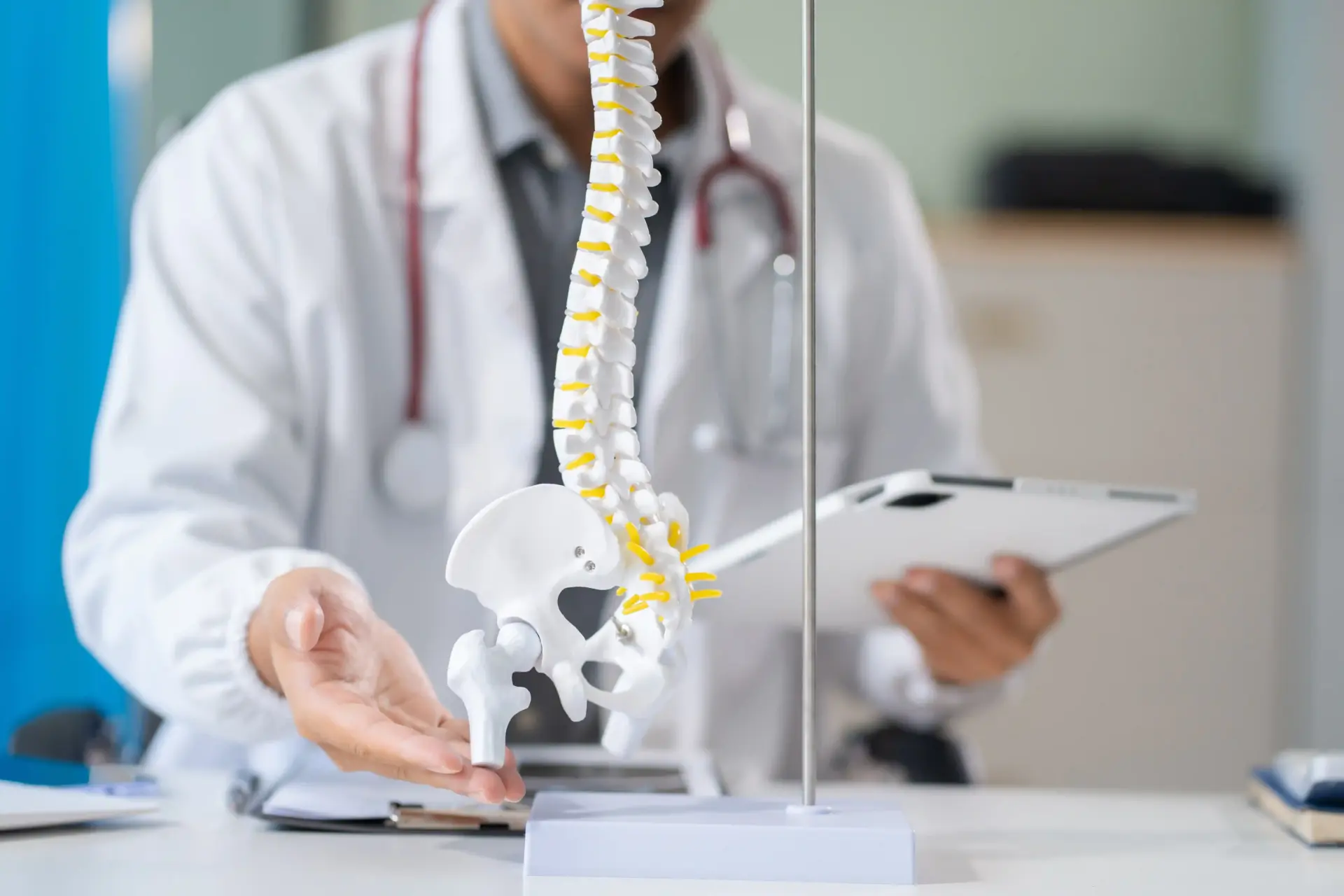
The human body relies on a complex framework of bones, joints, muscles, and connective tissue to move and function each day. When any part of this system becomes injured or worn down, everyday tasks can become difficult. Orthopedic surgeons are medical professionals who focus on this area of health.
What Are Orthopedic Surgeons?
Orthopedic surgeons are physicians who specialize in the musculoskeletal system, a system that includes the bones, joints, tendons, muscles, and nerves that support and move the body. These specialists gain experience in both surgical and non-surgical methods of care. They can perform surgical procedures, but an orthopedic surgeon’s work also involves treatments that do not require an operation. Orthopedic surgeons may work alongside other health professionals, such as physical therapists. This team approach allows them to address movement problems from several angles.
What Conditions Do They Treat?
Orthopedic surgeons address a wide range of concerns that affect the body’s ability to move. Some issues arise suddenly from an accident, and others develop slowly with age or repeated strain. Common conditions they address vary, including:
- Fractures and broken bones
- Arthritis, a condition that causes joints to become stiff or painful over time
- Sprains and strains involving ligaments, tendons, or muscles
- Sports injuries, such as torn ligaments in the knee or shoulder
- Back and neck discomfort linked to the spine
- Joint pain in areas like the hips, knees, and shoulders
The range of concerns these specialists handle is broad, since the musculoskeletal system touches nearly every movement a person makes.
How Do They Address Them?
Orthopedic surgeons rely on both surgical and non-surgical approaches; the right path depends on many factors, such as the diagnosis, the severity of the condition, and the patient’s overall health. Non-surgical treatments typically serve as the first step, including physical therapy to strengthen muscles and improve flexibility and medications to manage discomfort. Braces and other supportive devices can also help stabilize an injury while it heals. Injections may be used to target inflammation in a specific joint.
When these methods do not provide enough relief, surgery can become an option. Orthopedic procedures vary widely, from minimally invasive techniques that use small incisions to more involved operations. A surgeon is able to repair a torn ligament, or they may replace a worn joint with an artificial one. Advances in surgical tools and methods have allowed many procedures to be performed with smaller incisions and shorter recovery periods than in the past.
Recovery is a key part of the process. After treatment, orthopedic surgeons can guide patients through rehabilitation. This is to help them regain strength, and the goal is to help restore a joint’s range of motion. This ongoing support aims to help people return to the activities they value.
Meet With a Surgeon
The musculoskeletal system supports nearly everything you do. When pain or limited movement begins to interfere with daily life, an orthopedic surgeon can help you understand what is happening and explore your options. Meeting with an orthopedic surgeon gives you the chance to learn about your condition, and it allows you to discuss possible paths forward.
