


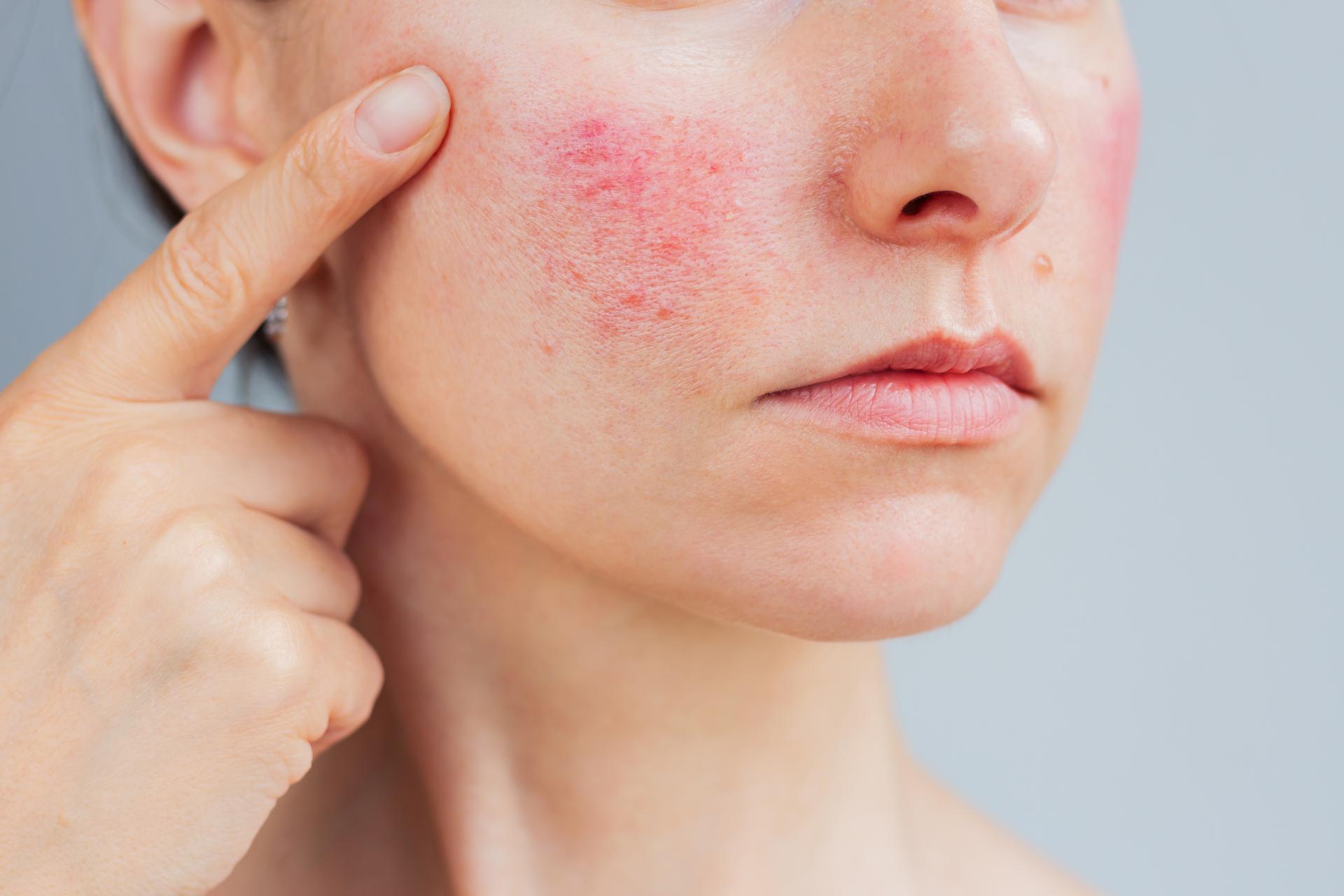
Rosacea is a common, chronic skin condition that produces redness and bumps on the cheeks, forehead, nose, chin, neck, and chest. There is no cure, but daily habits help control flare-ups, and consistent management supports clearer skin over time. Some symptoms flare for weeks or months before they fade, so tracking changes provides useful information for long-term management.
Identifying Common Rosacea Triggers
Rosacea has no known cause, although several factors trigger or worsen symptoms. Sun exposure, wind, heat, and extreme cold rank among the most common environmental triggers. Each one deserves attention when symptoms change. Because triggers differ from person to person, keeping a record of daily activities and environmental conditions helps identify patterns over time.
Common triggers also include strenuous exercise, emotional stress, and very hot or cold temperatures. Tracking these factors creates a clearer picture of what affects your skin. That information helps guide lifestyle adjustments that support symptom management.
Adjusting Food and Drink
Diet influences flare-ups for many people with rosacea. Hot or spicy foods and beverages, caffeine, and alcohol appear among common dietary triggers. Avoiding personal triggers helps reduce flare-ups. Limiting these items gradually while monitoring symptoms makes it easier to distinguish consistent triggers from unrelated changes.
Hot beverages deserve special attention because temperature alone can trigger flushing. Replacing a very hot drink with a cooler option is a simple adjustment. The change requires little effort, and pairing it with reduced alcohol intake supports better symptom control over time.
Protecting Skin From Sun
Sun exposure remains one of the most common triggers for rosacea. Daily sun protection helps reduce flushing, and limiting direct sunlight supports long-term symptom management. Seeking shade during peak daylight hours and wearing protective clothing reduce exposure that contributes to redness.
Wind also triggers flare-ups for some people. Covering the face during windy or cold weather provides another layer of protection. Consistent habits throughout the year help reduce environmental irritation. Scarves, wide-brimmed hats, and other protective clothing help shield sensitive skin from harsh weather conditions. Although outdoor conditions change with the seasons, maintaining these protective measures supports more consistent symptom management and helps reduce exposure to common environmental triggers.
Managing Stress and Products
Emotional stress ranks among the recognized triggers for rosacea. Regular stress-management routines help reduce one source of flare-ups, and steady habits support skin health alongside other lifestyle changes. Building calming activities into a daily routine creates structure while addressing a trigger that changes over time.
Certain cosmetic, skin care, and hair care products also trigger flare-ups. Gentle skin care supports symptom management, so selecting mild products helps reduce irritation. Some over-the-counter products irritate sensitive skin. Careful product selection supports a consistent skin care routine.
Schedule a Rosacea Evaluation
Lifestyle changes help manage the triggers associated with rosacea, and consistent daily habits support long-term symptom control. Tracking personal triggers, protecting the skin from environmental exposure, adjusting dietary habits, and choosing gentle skin care products all contribute to an individualized management plan. Schedule an evaluation with a dermatologist to discuss symptoms, review treatment options, and develop an approach that fits your skin care needs.
