


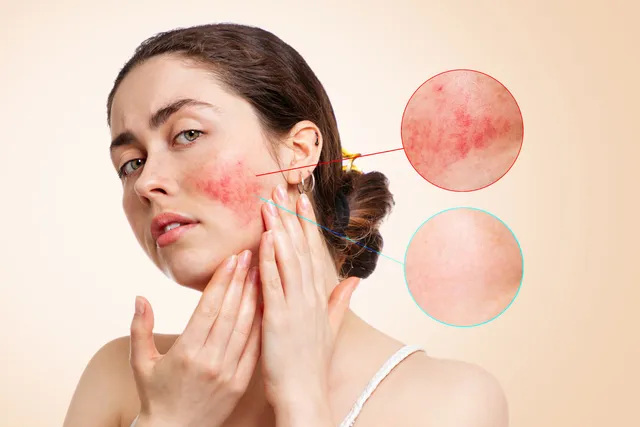
Rosacea is a chronic inflammatory skin condition that causes persistent redness, visible blood vessels, and a range of uncomfortable symptoms. A rosacea wart is technically referred to as rhinophyma, and it is one of the more advanced manifestations of rosacea. These growths are characterized by skin thickening, particularly around the nose. Here is more information about rosacea and treatment:
Understanding Rosacea Causes and Symptoms
Rosacea does not have a single confirmed cause, but several contributing factors are well recognized. Genetics plays a role, as the condition tends to run in families. Environmental triggers, including sun exposure, extreme temperatures, spicy foods, alcohol, and stress, can activate or worsen the condition.
Symptoms vary between individuals, but there are some overall patterns:
- Facial redness and flushing: Persistent redness across the cheeks, nose, chin, and forehead
- Visible blood vessels: Small, dilated vessels called telangiectasia appear on the skin’s surface
- Papules and pustules: Red, acne-like bumps that can appear without the blackheads typical of acne
- Eye irritation: Ocular rosacea can cause dryness, redness, and sensitivity in the eyes
- Skin thickening: The skin may gradually thicken, especially around the nose, leading to rhinophyma or rosacea wart
Exploring Treatments for Rosacea Wart
Rhinophyma, the thickening of skin associated with rosacea, requires targeted treatment. Laser therapy and surgical techniques, such as dermabrasion or electrosurgery, are the most effective options that reshape thickened tissue. Early intervention tends to produce better outcomes, so dermatologists recommend addressing signs of thickening before the condition progresses. Treatment may take several weeks to months to show progress.
Topical treatments alone are unlikely to reverse established rhinophyma, but they may slow progression. Because the tissue changes involve structural skin alterations, procedural approaches are typically preferred. A dermatologist can assess the severity of thickening and recommend the most appropriate course of action based on individual presentation.
Identifying Treatments for Facial Swelling
Facial swelling in rosacea, sometimes called lymphedema, occurs when inflammation disrupts normal fluid drainage in facial tissues. Oral antibiotics, particularly tetracycline-class medications like doxycycline, can reduce inflammatory activity, and they help with associated swelling. Dermatologists may also recommend isotretinoin for more severe or treatment-resistant cases.
Lifestyle modifications can complement medical treatment:
- Identifying and avoiding triggers: Keeping a symptom diary helps pinpoint which foods, activities, or environmental conditions worsen swelling
- Gentle skincare routines: Using fragrance-free, non-irritating cleansers and moisturizers supports the skin barrier without provoking inflammation
- Sun protection: Applying broad-spectrum SPF daily reduces UV-related flares that contribute to swelling
Compression therapy is another option some practitioners use, though it is less standard for facial rosacea than for limb conditions. Working with a specialist allows for a personalized strategy that addresses the specific pattern of swelling each patient experiences.
Reviewing Treatments for Stinging
Burning and stinging are among the most distressing rosacea symptoms, and they can flare even without visible redness. Topical agents such as azelaic acid and metronidazole help calm inflammation and reduce sensory symptoms over time. These medications work when they modulate immune responses in the skin.
Learn More About Rosacea Treatment
Rosacea presents across a spectrum, from mild flushing to skin thickening, facial swelling, and persistent burning. Lifestyle adjustments and trigger avoidance work alongside clinical treatments, and they help you maintain clearer, more comfortable skin. If you want to learn more about rosacea treatment, consult a dermatologist near you.
