


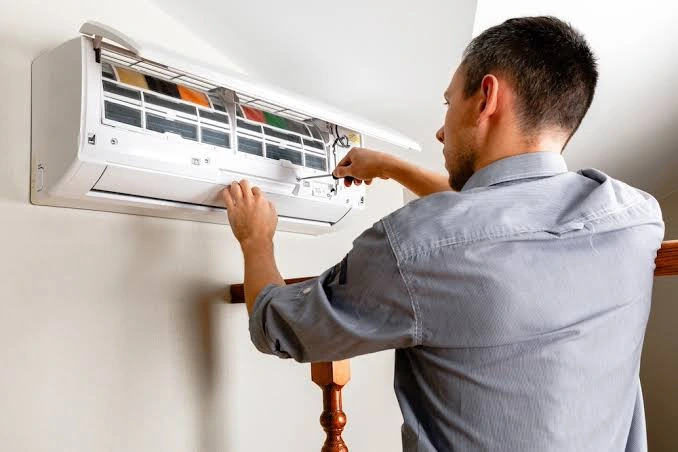
During AC installation, careful planning helps make sure the design and setup support both home comfort and energy efficiency. An HVAC company evaluates factors such as the home’s square footage, insulation quality, ductwork condition, and airflow needs to determine the proper size of heating and cooling equipment. This evaluation helps guide equipment selection, promote consistent cooling throughout the home, and create a system designed for reliable long-term performance. Here is what you need to know before installing a new AC system:
Evaluating Cooling Needs
An in-home evaluation lays the foundation for AC installation decisions before any equipment is selected. Technicians review insulation, window placement, sun exposure, and home orientation because each factor affects the home’s cooling demand. They also inspect the existing HVAC system and ductwork, as both shape current cooling conditions. These measurements and conditions are used to calculate the home’s cooling load and identify the appropriate AC system size.
Sizing the AC System Correctly
AC system selection begins with a load calculation instead of relying on square footage alone. This calculation determines the correct system size before equipment is chosen and guides the selection process. Technicians assess a home by connecting insulation levels, layout, and other conditions to the cooling capacity needed for proper performance. This links home conditions directly to the amount of cooling required.
Oversized systems create operating patterns that affect cooling performance. Short cycling occurs when the system reaches the set temperature too quickly, causing cooling cycles to end sooner than expected. Indoor comfort can become less consistent when cycling does not align with steady cooling operation.
Undersized systems operate under continuous demand. The system runs longer because the cooling output does not match the home’s heat load, and the indoor temperature becomes harder to maintain during higher outdoor temperatures. This extended runtime shows that the system does not have enough capacity to meet the cooling load. Proper sizing helps prevent these issues by matching system capacity to the cooling requirements of the home.
Selecting Efficient Systems
An HVAC company evaluates energy efficiency ratings during installation planning. Efficiency ratings guide system selection, and higher-rated systems can support reduced energy use over time. Technicians also review variable-speed compressor systems during equipment selection; variable-speed compressors adjust cooling output based on the cooling demand inside the home.
The system operates at lower output during lighter cooling needs and increases output during higher-demand periods. HVAC professionals also assess the integration of indoor air quality solutions during system selection. Equipment options include air filtration systems, ventilation solutions, and humidity control systems that support indoor air quality.
Inspecting Ductwork Setup
HVAC teams inspect ductwork during AC installation and check how air moves through the home. Technicians review each duct section and assess how it connects airflow to different rooms, and they observe system operation during cooling and compare how rooms receive air. The inspection includes reviewing return air areas and duct pathways throughout the home. Technicians document airflow conditions in each space and evaluate overall system performance; this helps align installation work with the actual structure of the home.
Schedule AC Installation Services
Professional installation helps the new system connect properly with the home’s existing HVAC components. Proper setup verifies that the equipment, ductwork, controls, and airflow requirements work together as intended; this supports reliable system operation and helps maintain consistent performance as temperature conditions change. Contact an HVAC company today to schedule an evaluation for a new cooling system.
