


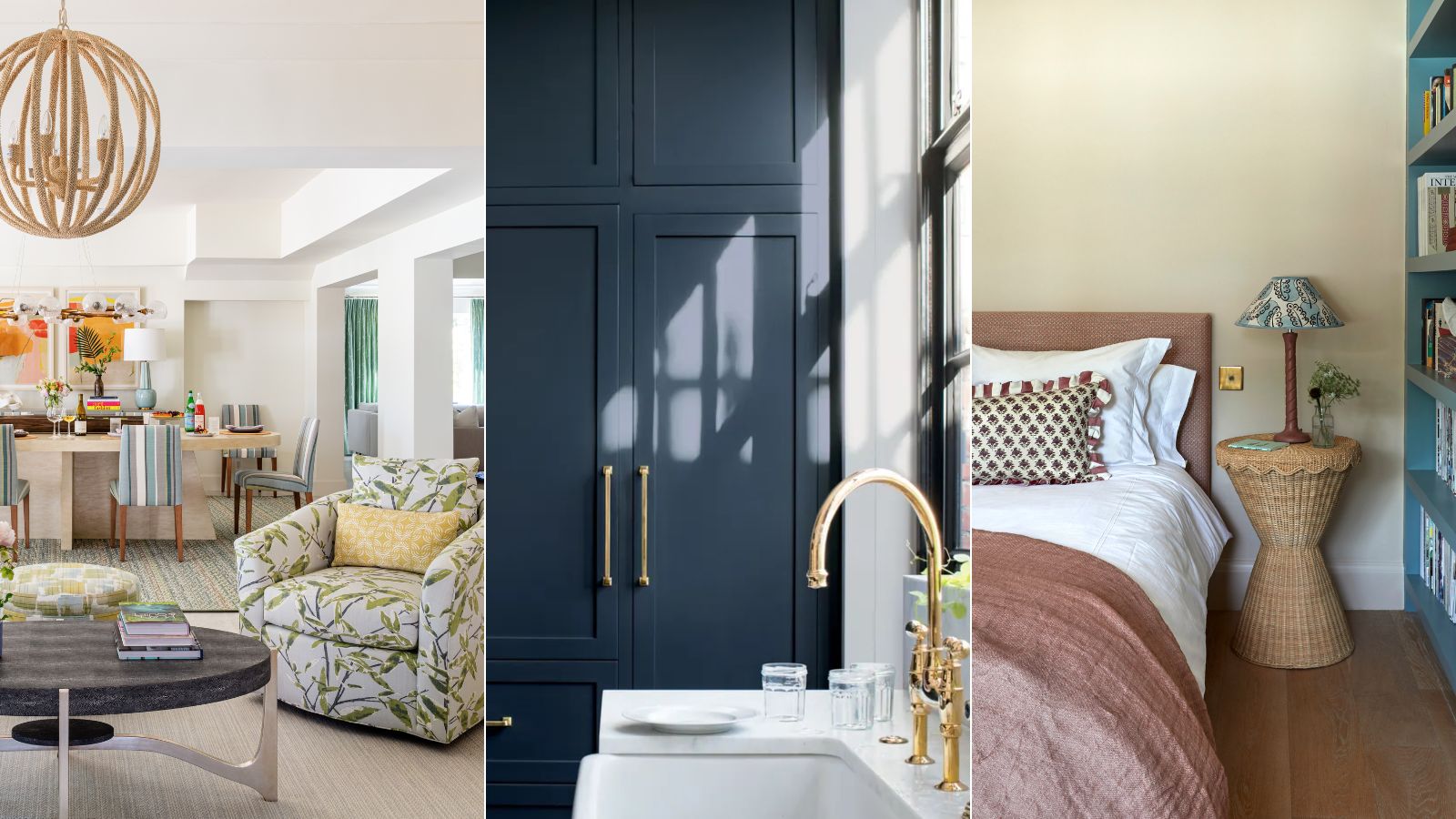
Designer paint finishes shape the mood of a room through texture, sheen, and depth. Since these finishes range from matte to high-gloss, they offer many looks for one wall. A skilled painter applies them by hand, and the result reflects careful preparation. Here is more information on designer paint finishes and how to select them:
Using Color Tools
Color tools, such as fan decks, let you test shades before you commit to designer paint finishes. You can compare colors, and the decks show you different hues on your walls. This step may save you time during planning. Small tests reduce guesswork.
Many tools include filters for lighting, so you see how a color shifts at noon or dusk. Since light changes throughout the day, one shade may read warm or cool. You compare these views side by side. That helps you narrow choices.
View Gallery of Prior Jobs
A gallery of finished projects shows what a painter has done. You browse real rooms, and the images reveal texture that swatches cannot. Since photos capture actual homes, they set clear expectations. Look for detail in the edges.
When you review a gallery, focus on a few features:
- Consistent areas across large wall surfaces
- Clean lines near trim and ceilings
- Even sheen under natural light
These details signal steady technique, and they help you judge the work. You spot patterns quickly. A strong portfolio speaks for itself.
Selecting Color Schemes
A color scheme ties rooms together across a home. You pick a base tone, and accent shades build from it. Since adjoining spaces share sightlines, matching undertones keeps the flow smooth. Start with one anchor color.
Many homeowners find it helpful to follow a structured approach when choosing shades. Start by selecting a dominant color for your large walls, then choose a secondary tone for adjacent areas. From there, pick an accent color for doors or trim to tie the look together.
This method organizes decisions, and it limits second-guessing. You move through each room with a plan. Neutral palettes suit spaces meant to last for years. Bold tones make a statement, though they date faster in some settings. Since trends shift, many owners lean toward muted bases. You add personality through accessories instead.
Finding Certified Painters
Certified painters carry training and documented experience. You verify credentials, and licensing records confirm their standing. Since certification requires ongoing education, these painters follow current methods. Ask for proof upfront.
Before you hire, gather a short list of questions:
- What certifications do you hold?
- How do you prep surfaces?
- Do you provide a written estimate?
These questions clarify scope, and they reveal how a painter communicates. You compare answers across candidates. Clear responses reflect steady practice.
References add another layer of detail. You contact past clients, and their feedback describes timelines and cleanup. Since direct accounts carry weight, they round out your research. A brief call often tells you enough.
Find Designer Paint Finishes
Designer paint finishes bring texture and color into everyday rooms. You explore tools, galleries, and schemes, and each step narrows your choices. Since certified painters handle the technical work, your planning stays focused on style. Reach out to a certified painter in your area today and request a written estimate.
