


Getting braces helps improve oral health and align teeth. Before committing to orthodontic treatment, patients benefit from understanding what braces are, how they function, and what the treatment process entails so that they can make informed decisions about their care. Orthodontic treatment addresses misaligned teeth, overcrowding, bite irregularities, and jaw positioning issues, and the duration varies with the severity of the condition. The type of braces selected also influences the treatment method and outcome. Here is more information on braces:
What Are Braces?
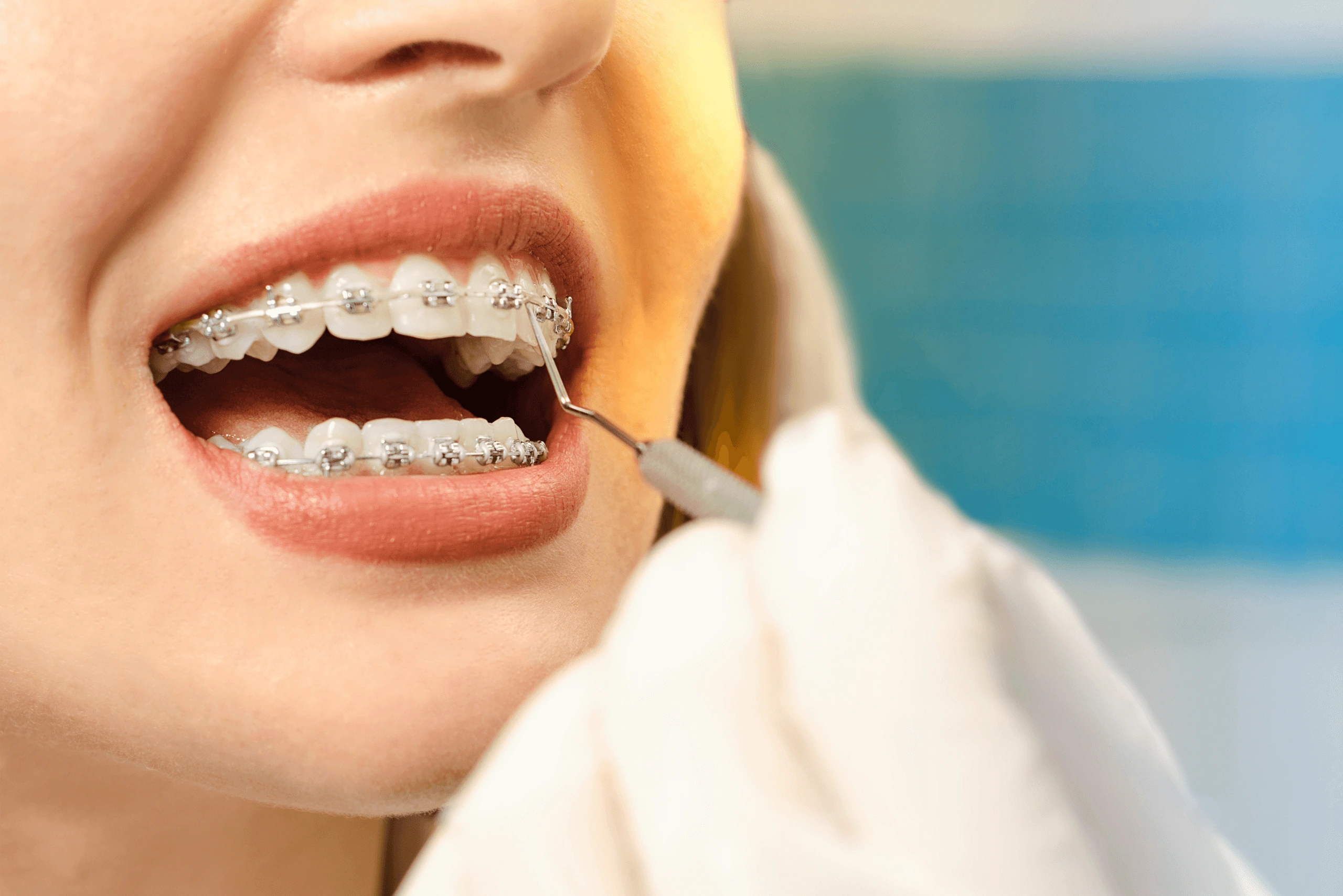
Braces are orthodontic devices used to correct the alignment of teeth and jaws. Metal braces consist of small metal brackets bonded to the surface of each tooth. These brackets are connected by a thin metal wire, which applies consistent pressure to guide teeth into their correct positions over time. Metal braces are durable, and they are typically recommended for patients who need moderate to significant correction.
How Do They Work?
Braces work by exerting continuous, controlled pressure on the teeth, and this pressure gradually shifts them into the correct positions. It also stimulates bone remodeling. This is a natural biological process in which bone tissue breaks down on one side and rebuilds on the other, which moves teeth incrementally into proper alignment.
Orthodontists tighten or adjust the archwire during regular appointments. Each adjustment redirects the pressure applied to the teeth, and this continues the movement toward the treatment goal. Treatment duration varies, as it depends on the complexity of the case and how the patient responds to the applied forces.
What Issues Do They Address?
Braces treat a range of dental and skeletal misalignments, addressing both functional and aesthetic concerns. Common issues treated with braces include:
- Crowded, gapped, or rotated teeth
- Bite problems, including overbites, underbites, crossbites, and open bites
- Chewing difficulties and uneven enamel wear caused by misalignment
Addressing these issues with braces supports long-term oral health and overall dental function.
What Does the Process Entail?
The orthodontic process begins with a comprehensive initial consultation. Because precise diagnostic records are necessary, the clinician takes digital X-rays, and they may create detailed scans of the mouth. After these records are collected, they enable the clinician to evaluate the extent of dental misalignment and facilitate the creation of a customized treatment plan.
Once the active treatment phase begins, the orthodontist bonds the brackets to the teeth and threads the archwire. Patients may experience minor physical discomfort during the first few days following placement. Although this sensitivity is temporary, consuming soft foods helps manage discomfort, and maintaining rigorous oral hygiene prevents plaque accumulation. After the orthodontic appliances are safely removed, the patient receives a custom-fitted retainer. These devices hold the teeth in their new positions during the bone stabilization phase.
Consult an Orthodontist Today
Braces are a reliable solution for correcting misaligned teeth and bite issues. Understanding what metal braces are, how they apply pressure to shift teeth, what conditions they treat, and what each stage of treatment involves helps patients know what to expect, and they can make informed decisions about their orthodontic care. If you are ready for orthodontic treatment, schedule a consultation with an orthodontist to discuss your specific needs.
