


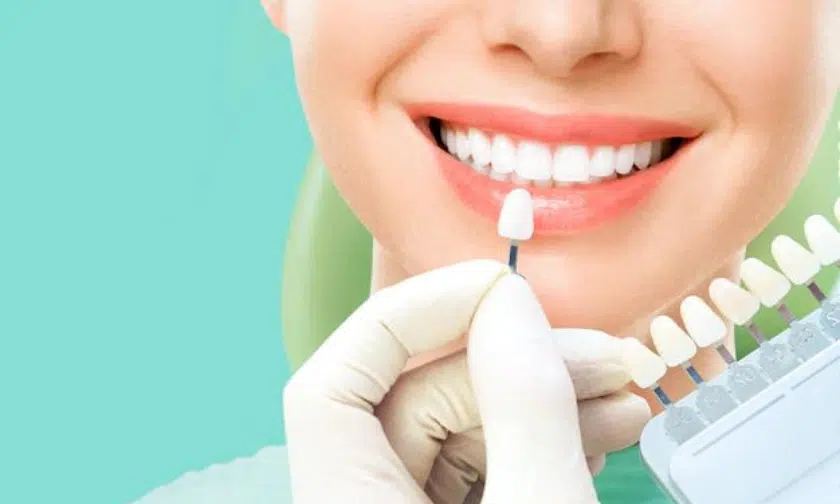
Veneers are thin shells made of porcelain, and they cover the front surface of your teeth. A dentist bonds them to your natural teeth and adjusts the shape and color of your smile. If you are unhappy with chips, gaps, or stains, veneers might be a treatment option worth exploring. Here is more information about the details of this procedure so you know what to expect:
Covering Gaps Between Teeth
Small gaps between teeth may be a major concern. Veneers cover these spaces, and they create a more even look across your smile. Since each porcelain shell is made to fit your specific teeth, the fit follows the natural line of your mouth.
When your gaps are minor, veneers work well as a cosmetic fix. A dentist reviews your teeth first, and then they map out how each veneer will sit. If the spacing is wide, other treatments might suit you better, so a full exam gives you a clear answer.
Requiring Strong Teeth
Your teeth must have enough enamel, and they should be free of active decay. Since the shell bonds directly to the tooth surface, the underlying structure matters a great deal. Veneers need a healthy base to attach to.
A dentist checks for gum disease before starting. If you have cavities, those get treated first, and only then does the veneer process begin. Strong teeth hold veneers securely, and this stability affects how the shells perform over time.
Some habits put stress on veneers. Grinding your teeth at night wears them down, and biting hard objects risks cracks. If you clench often, a night guard might protect both your natural teeth and any veneers you receive.
Resisting Coffee and Tea Stains
Many patients drink coffee or tea daily. Porcelain veneers resist most surface stains, and this quality sets them apart from natural enamel. Since the material stays smooth, colored liquids struggle to soak in. Everyday drinks that can stain teeth include:
- Black coffee
- Black tea
- Red wine
- Dark sodas
Natural teeth absorb pigment from these drinks over the years. Veneers behave differently, and they keep their color longer with basic care. If you enjoy your morning coffee, veneers hold up well against those daily habits.
Bonding to Teeth Surface
The bonding step joins the veneer to your tooth. A dentist removes a thin layer of enamel first, and this creates room for the shell. Since the process changes the tooth surface, veneers are a permanent choice once placed.
Your dentist applies a special adhesive, and a curing light hardens the bond. During this procedure, this is what may happen:
- The dentist prepares the tooth surface.
- The bonding agent goes onto the tooth.
- The veneer is placed and pressed into position.
- The light hardens the bond in seconds.
After bonding, the fit gets checked and adjusted. You bite down so the dentist tests your alignment, and small tweaks smooth out any rough spots. Since the bond holds firmly, veneers stay in place through normal daily use.
Schedule a Consultation for Veneers
A consultation gives you clear answers about your options; your dentist examines your teeth, and they explain whether veneers fit your goals. Since every mouth differs, a personal exam tells you far more than general advice. During your visit, you get a chance to ask questions. Book your consultation today to learn if veneers match your needs. Reach out now, and take the first step toward the smile you want.
