


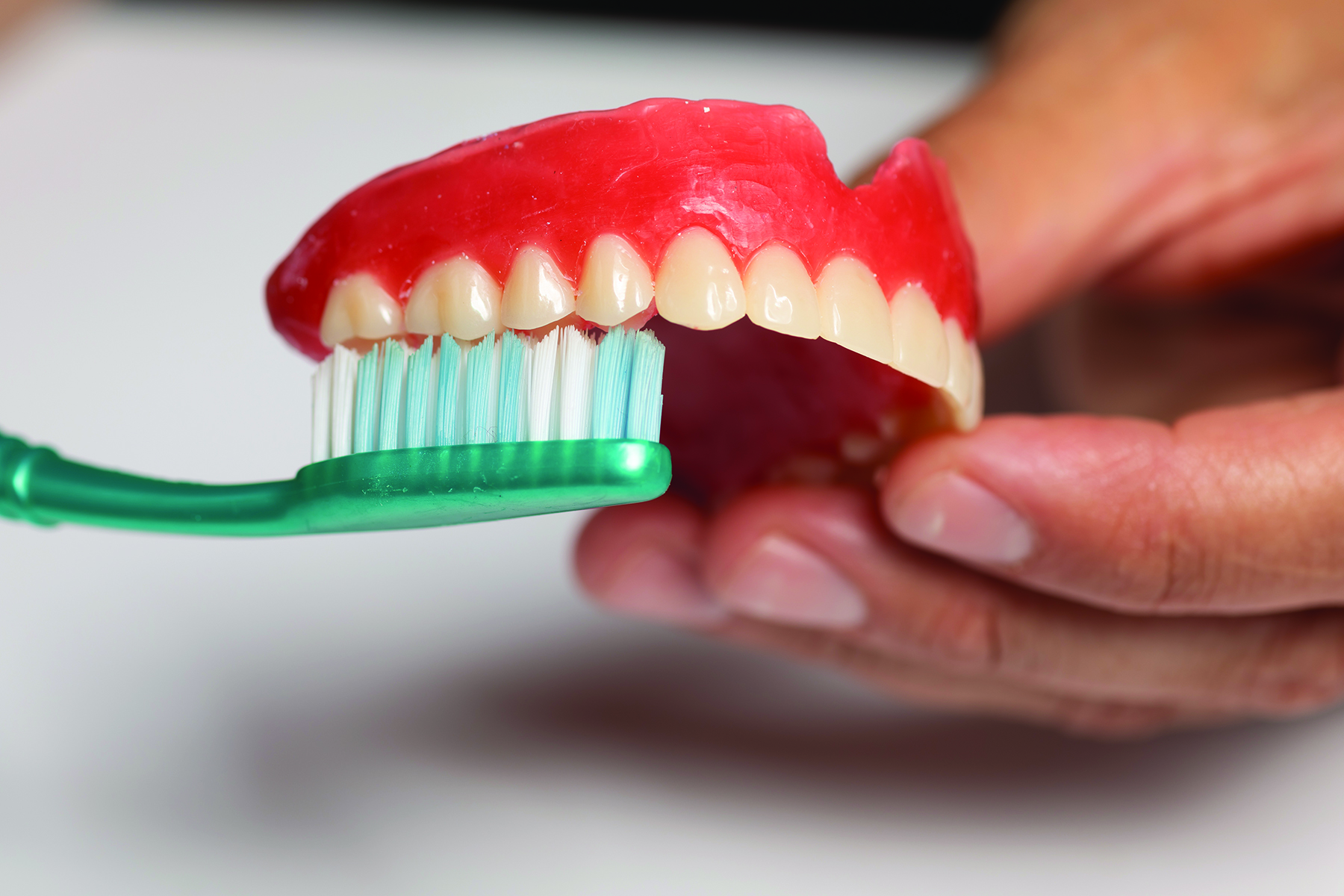
Dentures are removable oral appliances that replace missing teeth in your upper jaw, lower jaw, or both. More than 40 million Americans wear dentures; dental technicians build them from materials like acrylic, resin, nylon, metal, and porcelain. The right choice depends on how many teeth are missing, your jawbone condition, and your personal preferences; understanding your options helps you make an informed decision.
Understanding the Denture Types
Full dentures, also called complete dentures, replace an entire arch of teeth. They rest on your gums and consist of artificial teeth set into a gum-colored base. Partial dentures replace several missing teeth; they use clasps that hook around your remaining natural teeth for added stability.
Immediate dentures are worn right after tooth extractions, so healing can begin while your smile stays intact. Implant-retained dentures attach to dental implants and remain removable, while implant-supported dentures are non-removable. Only a dentist can remove implant-supported dentures; they require more thorough daily cleaning because of that permanent placement.
Completing the Denture Consultation
A denture consultation starts with an oral exam. Your dentist examines your jaws, gums, and any remaining teeth, and they take dental X-rays to check the density and volume of your jawbone. This exam gathers the details needed to plan your treatment. Your dentist then takes impressions of your upper and lower jaws. Technicians at a dental lab use those impressions to build a model of your mouth, and they design a custom set of dentures from that model. When your dentures are ready, you return for a fitting, so your dentist can check the fit and make adjustments for comfort.
Getting used to dentures takes time. Some people adjust within weeks, but for others the process takes months. Mild gum soreness and swelling during the first few weeks is normal, and you might need several visits for adjustments before the fit feels right. The soft tissues in your mouth need time to settle. Your dentist may add material through a reline every one to two years, and this step improves comfort whenever the fit changes. Patience during this period supports a better long-term result, so early adjustments are part of the process.
Caring for Your Dentures
Proper care keeps them in good condition and extends their working life. Daily maintenance is straightforward, and a consistent routine prevents plaque and debris from building up in your mouth. The following practices support denture health:
- Removal at the end of every day.
- Cleaning using a brush and paste.
- Soaking overnight in a solution.
Brush your gums, tongue, cheeks, and any remaining teeth twice daily.
The average lifespan for dentures is seven to 10 years, though some last 10 to 12 years with proper care. Most people need replacements at that point, and a well-maintained appliance holds its fit longer, so daily habits directly affect durability.
Talk to Your Dentist Today
Dentures restore chewing and speaking function after tooth loss, and several types serve different needs. Alternatives such as dental implants and dental bridges exist for people who prefer other options. A consultation clarifies which choice suits your situation, so schedule an appointment with your dentist to review your options and begin a personalized plan.
