


Tooth loss affects millions of people in the United States. When teeth go missing, aesthetics, eating, and speaking can all be significantly impacted. Dental implants replicate the function and appearance of natural teeth, and they offer a level of stability that other replacement options often cannot match. Here is more information on what dental implants are, how they work, who they benefit, and how they compare to alternative tooth replacement options:
What Are Dental Implants?
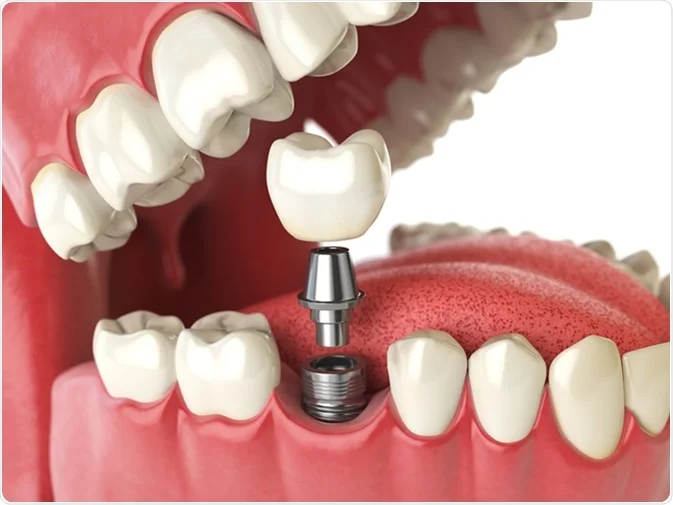
Dental implants are artificial tooth roots that are surgically placed into the jawbone. Each implant supports a crown, bridge, or denture, which creates a stable and functional replacement for one or more missing teeth. Unlike removable dentures, implants are fixed in place, and they are designed to last for many years. The structure of a dental implant has three main components: the titanium post (the implant itself), the abutment (the connector piece), and the crown (the visible tooth). Each component works together to replicate the look and function of a natural tooth.
How Do They Work?
The placement of a dental implant begins with a surgical procedure. During this procedure, the titanium post is inserted directly into the jawbone, where it will serve as the foundation for the replacement tooth. The implant then undergoes osseointegration, a biological process in which the jawbone grows around and bonds to the titanium; this is what gives implants their structural stability.
Once osseointegration is complete, the abutment is attached to the implant post. A custom-made crown is then placed on top, and it is carefully matched to the shape and color of the surrounding natural teeth so the restoration blends seamlessly. The entire process typically takes several months. Healing rates and individual treatment plans vary from patient to patient.
Who Do They Help?
Dental implants are suited for adults who have lost one or more teeth due to injury, decay, or gum disease. Candidates generally need adequate jawbone density and healthy gum tissue to support the implant, and a dental professional will assess these factors before recommending implants as a treatment option. Bone density is key, as it determines whether the implant can integrate successfully.
What Are the Benefits?
Dental implants offer several functional and structural advantages, including:
- Preserved jawbone: When a tooth is lost, the surrounding jawbone begins to deteriorate over time. An implant stimulates the bone in the same way a natural tooth root does, slowing or preventing this process.
- Stability and function: Implants are fixed in the jaw, meaning they do not shift during eating or speaking, unlike conventional dentures.
- Natural appearance: Crowns are color-matched to surrounding teeth, making implants difficult to distinguish from natural teeth.
Implants restore chewing function, which allows patients to eat a wider range of foods without discomfort or restriction. Speech clarity can also improve, particularly for patients whose tooth loss had affected pronunciation.
Address Your Missing Teeth
Dental implants provide a stable, long-term solution for missing teeth by replicating the structure and function of natural tooth roots. They preserve jawbone density, support normal eating and speaking, and offer a durable alternative to removable dentures. For patients who meet the clinical criteria, implants are one of the most structurally sound tooth replacement options available. If you are experiencing tooth loss, speak with a dental professional to find out whether implants are right for you. A comprehensive evaluation will clarify your eligibility, and a dentist will outline a treatment plan tailored to your needs.
