


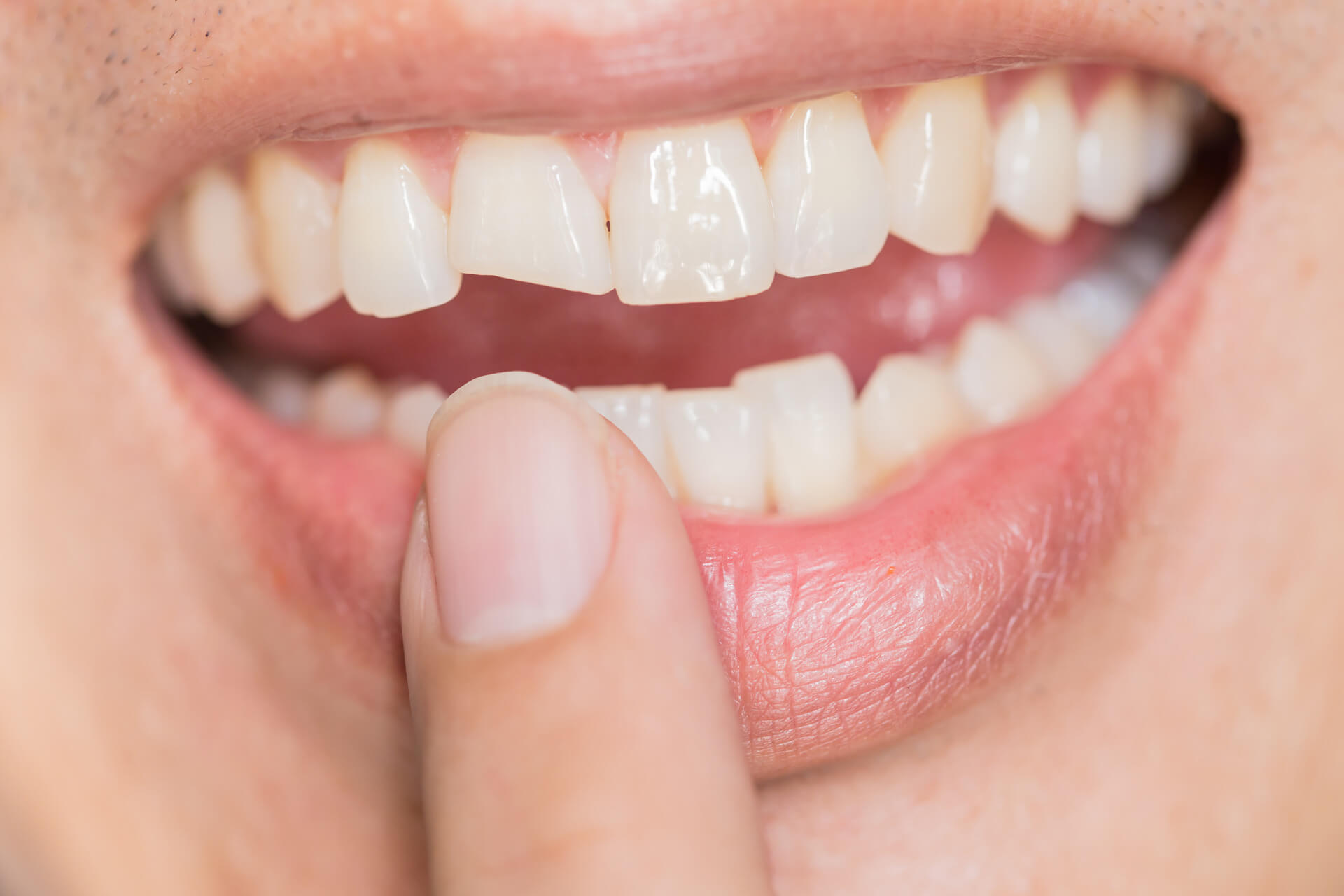
A broken tooth can occur from a sports injury or biting down on a certain food or other item. This type of dental injury ranges from a small chip to a deep fracture that reaches the root. The discomfort that follows may make daily activities challenging, and broken teeth sometimes lead to infection. Understanding the treatments and pain management options helps you get the care you need. Here is more information about broken teeth and how to manage the pain:
Understanding the Causes and Symptoms
A broken tooth often results from biting hard objects, sports injuries, falls, or accidents, and it can also develop from untreated decay that weakens the tooth structure over time. Older fillings and grinding habits may add stress to enamel, which raises the chance of a fracture. Symptoms vary depending on the severity of the break, and may include:
- Sharp pain when chewing
- Sensitivity to hot or cold temperatures
- A visible crack in the enamel
- Swelling in the gum near the affected area, which can occur when bacteria reach the inner layers of the tooth
Not every broken tooth produces immediate pain, and this may make the problem easy to overlook. A minor chip sometimes feels fine for a period of time, yet the damage can spread and lead to further complications, such as infection.
Describing the Various Treatments
Treatment depends on the location and depth of the break. Dental providers examine the tooth, take images, and determine which approach fits the situation, so the plan matches the extent of the damage. For small chips, a dentist may smooth the surface or apply a bonding material that restores the shape. Larger breaks often require a crown, and this cap covers the tooth to protect the remaining structure. When the fracture reaches the pulp, a root canal may be needed to remove the damaged tissue.
In cases where the tooth cannot be saved, extraction becomes the final option. After removal, replacement choices include implants, bridges, or dentures. Gaps left by missing teeth may affect surrounding teeth and general oral health. Each method carries different timelines and recovery periods, and a provider can review these details with you.
Managing the Pain
There are some actions you can take to manage the pain of a broken tooth while you await treatment:
- Over-the-counter pain relievers may help reduce discomfort.
- Apply a cold compress against the cheek to help limit swelling.
- Rinse with warm salt water to keep the area clean and ease irritation around the broken tooth.
- Avoid chewing on the affected side to prevent further damage.
- Do not eat very hot or very cold foods, as temperature changes can increase sensitivity.
- Cover any sharp edges with dental wax to protect the inside of your mouth from cuts.
Treat Your Broken Tooth Today
A broken tooth can stem from injury, decay, or daily wear, and the symptoms range from mild sensitivity to sharp pain. Emergency situations, including severe pain or a lost fragment, may benefit from prompt action to limit further harm. Even a tooth that is cracked but not painful still needs dental treatment because ignoring it can allow the condition to worsen over time. If you want to learn more about what to do about a broken tooth, consult a dental provider near you.
