


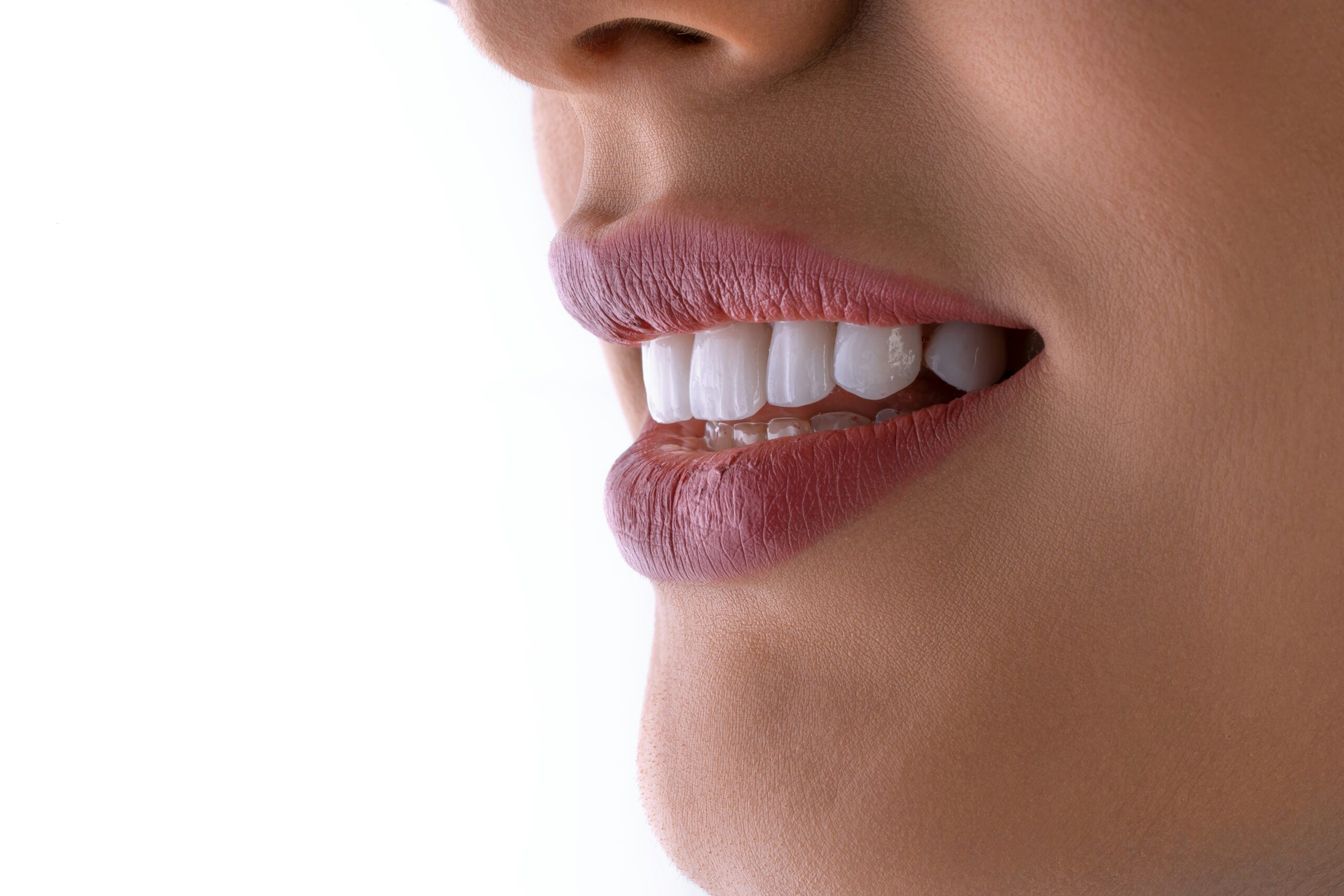
Teeth whitening has become one of the most popular cosmetic dental procedures worldwide. A bright smile can improve confidence and make a positive first impression.
Over time, teeth naturally become discolored due to aging, food choices, and lifestyle habits.
Fortunately, there are several safe ways to whiten teeth and restore a brighter smile.
This guide explains everything you need to know about teeth whitening.
Why Do Teeth Become Yellow?
Several factors contribute to tooth discoloration.
1. Aging
As people age, tooth enamel gradually becomes thinner, exposing the yellow dentin underneath.
2. Food and Drinks
Common staining foods include:
- Coffee
- Tea
- Red wine
- Soda
- Dark berries
These beverages contain pigments that stain teeth over time.
3. Smoking
Tobacco products leave stubborn yellow and brown stains.
4. Poor Oral Hygiene
Inadequate brushing and flossing allow plaque and stains to accumulate.
5. Certain Medications
Some antibiotics and medical treatments may contribute to tooth discoloration.
Safe Teeth Whitening Methods
Professional Dental Whitening
This is one of the safest and most effective methods.
Dentists use professional-grade whitening agents that deliver noticeable results quickly.
Benefits include:
- Faster results
- Professional supervision
- Lower risk of complications
Whitening Toothpaste
Whitening toothpaste contains mild polishing agents that help remove surface stains.
These products work gradually and are ideal for maintaining results.
Whitening Strips
Whitening strips contain peroxide-based ingredients that help brighten teeth.
Follow instructions carefully to avoid tooth sensitivity.
Custom Whitening Trays
Dentists may provide custom trays that fit your teeth perfectly.
These offer effective and controlled whitening at home.
Benefits of Teeth Whitening
Teeth whitening offers several advantages.
Improved Confidence
Many people feel more comfortable smiling after whitening treatments.
Better Appearance
Whiter teeth can make individuals appear younger.
Enhanced Professional Image
A healthy smile often leaves a positive impression in professional environments.
Common Teeth Whitening Mistakes
Overusing Whitening Products
Too much whitening can damage enamel and increase sensitivity.
Always follow product instructions.
Using DIY Internet Remedies
Some online trends can be dangerous.
Avoid methods such as:
- Lemon juice
- Baking soda overuse
- Charcoal abuse
These can wear down enamel.
Ignoring Existing Dental Problems
Whitening should not be performed on untreated cavities or gum disease.
Always address dental issues first.
How to Maintain White Teeth
After whitening, maintaining results is essential.
Brush Daily
Brush twice a day with fluoride toothpaste.
Floss Every Day
Remove plaque between teeth.
Reduce Staining Drinks
Limit:
- Coffee
- Tea
- Cola drinks
Using a straw may help reduce contact with teeth.
Drink Water Frequently
Water helps rinse away staining substances.
Visit Your Dentist
Professional cleanings help maintain brightness.
Is Teeth Whitening Safe?
Generally, yes.
However, some temporary side effects may occur:
- Tooth sensitivity
- Mild gum irritation
These symptoms usually disappear within a few days.
People with severe gum disease, untreated cavities, or dental restorations should consult a dentist before whitening.
Who Should Avoid Teeth Whitening?
Whitening may not be suitable for:
- Children under professional age recommendations
- Pregnant women without professional advice
- People with severe tooth sensitivity
- Individuals with untreated dental issues
Consult a dental professional if unsure.
Final Thoughts
Teeth whitening is a safe and effective way to improve your smile when done properly.
The best results come from combining professional guidance with healthy daily habits.
Remember that whitening is only one part of oral health. Strong teeth, healthy gums, and regular dental care are equally important.
A bright smile starts with a healthy mouth, so focus on both appearance and long-term dental wellness.
