


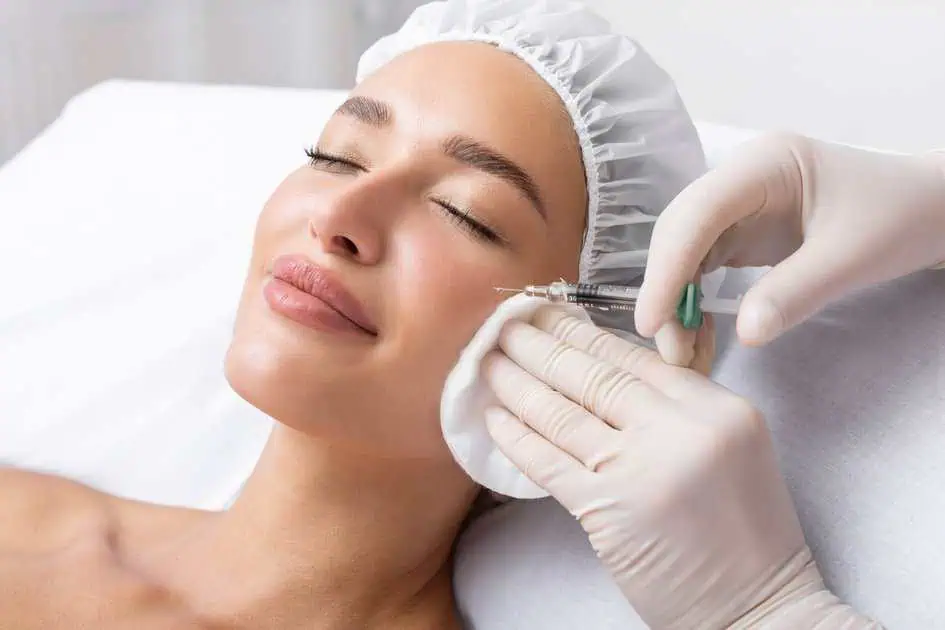
Aesthetic medicine is a field focused on improving a person’s appearance through minimally invasive procedures, and it includes treatments that address skin texture, facial volume, and visible signs of aging. A neurotoxin is a substance that affects nerve activity. In aesthetic settings, providers use purified forms in small, controlled amounts to relax specific muscles. Relaxing the muscles can improve the appearance of the skin on top of the muscle. Here is more information about neurotoxins in aesthetics treatments:
Understanding Neurotoxins
A neurotoxin used in aesthetic medicine typically comes from a bacterium, and the preparation of the purified version has strict standards for cosmetic use. When injected into a targeted muscle, the product temporarily limits the signals that cause that muscle to contract. Dynamic lines often appear because repeated muscle movement creases the overlying skin, so reducing that movement can soften their appearance.
The effects are not permanent, and it is a minimally invasive treatment. Providers assess each patient individually, mapping the muscles that contribute to specific lines. Dosage and placement vary from person to person because facial anatomy differs.
Reviewing Botox
Botox is one of the most recognized neurotoxin products, and providers have used it in cosmetic practices for many years. People typically use it for treating lines on the forehead, between the eyebrows, and near the eyes. Providers inject small amounts into targeted areas, and a session usually takes only a few minutes. Results are not immediate, as the product needs time to take effect. Here are some things to know about Botox results:
- Most people begin to notice changes over the days following their appointment.
- The length of the effect varies from person to person.
- Muscle activity and metabolism can both impact how long results last.
- Do not rub or apply pressure to the treatment area for 12 hours.
- Regular follow-up appointments help maintain your appearance over time.
Discussing Juveau
Juveau is another neurotoxin product available in aesthetic medicine. It is used for purposes similar to those of comparable injectables; like other products in this category, it works by temporarily relaxing targeted muscles to reduce the appearance of certain lines. Onset time and duration can differ between products because formulations are not identical. A provider evaluates a patient’s goals and history before suggesting a specific option.
Enhancing Results With Fillers
Fillers are a treatment that can enhance the results of a neurotoxin procedure. Neurotoxins address lines caused by muscle movement, while fillers add volume to areas that have lost fullness. Providers sometimes use both in a combined plan to address multiple concerns during a treatment course. Fillers are often placed in areas such as:
- Cheeks
- Lips
- Areas around the mouth
Learn More About Neurotoxin Treatments
Neurotoxins are widely used in aesthetic medicine to temporarily relax targeted muscles, and products like Botox and Juveau are two examples of this approach. Because their effects are temporary, multiple treatments are usually needed over time to maintain the results, and a provider can outline a schedule that fits your goals. If you want to learn more about neurotoxin treatments and aesthetic medicine, consult a dermatologist near you.
